









Mastering High Speed Product Inspection with 3D Scanning: Industrial Applications of the SRI6000 Series
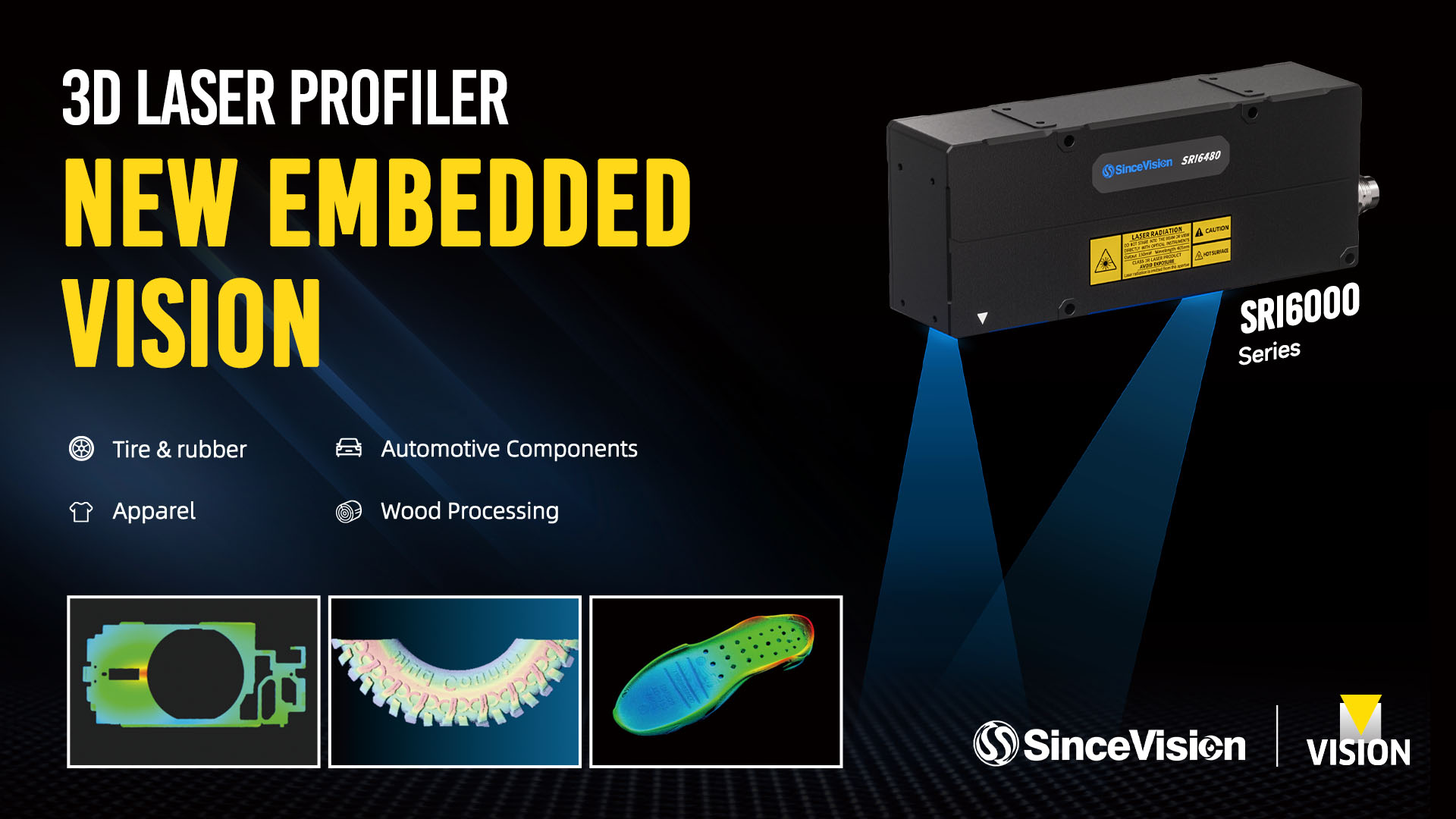
The SinceVision SRI6480 embedded vision 3D laser profiler applies 3D sensor technology directly to high speed industrial production lines. By executing adaptive contour extraction and depth conversion on an on board 8 core CPU and dedicated NPU, the sensor performs product inspection with 3D scanning across tire and rubber extrusions, precision automotive CNC parts, automated lumber processing, and robotic shoe sole gluing. Operating at speeds exceeding 200 mm per second with dual 405 nm and 650 nm laser options, the SRI6480 delivers 0.03 mm step height accuracy without requiring external industrial PCs.


Achieving continuous zero defect manufacturing requires inspection systems that operate at the speed of production. While traditional optical systems struggle with surface glare, ambient lighting fluctuations, and heavy data transmission overhead, modern 3d sensor technology has shifted the paradigm.
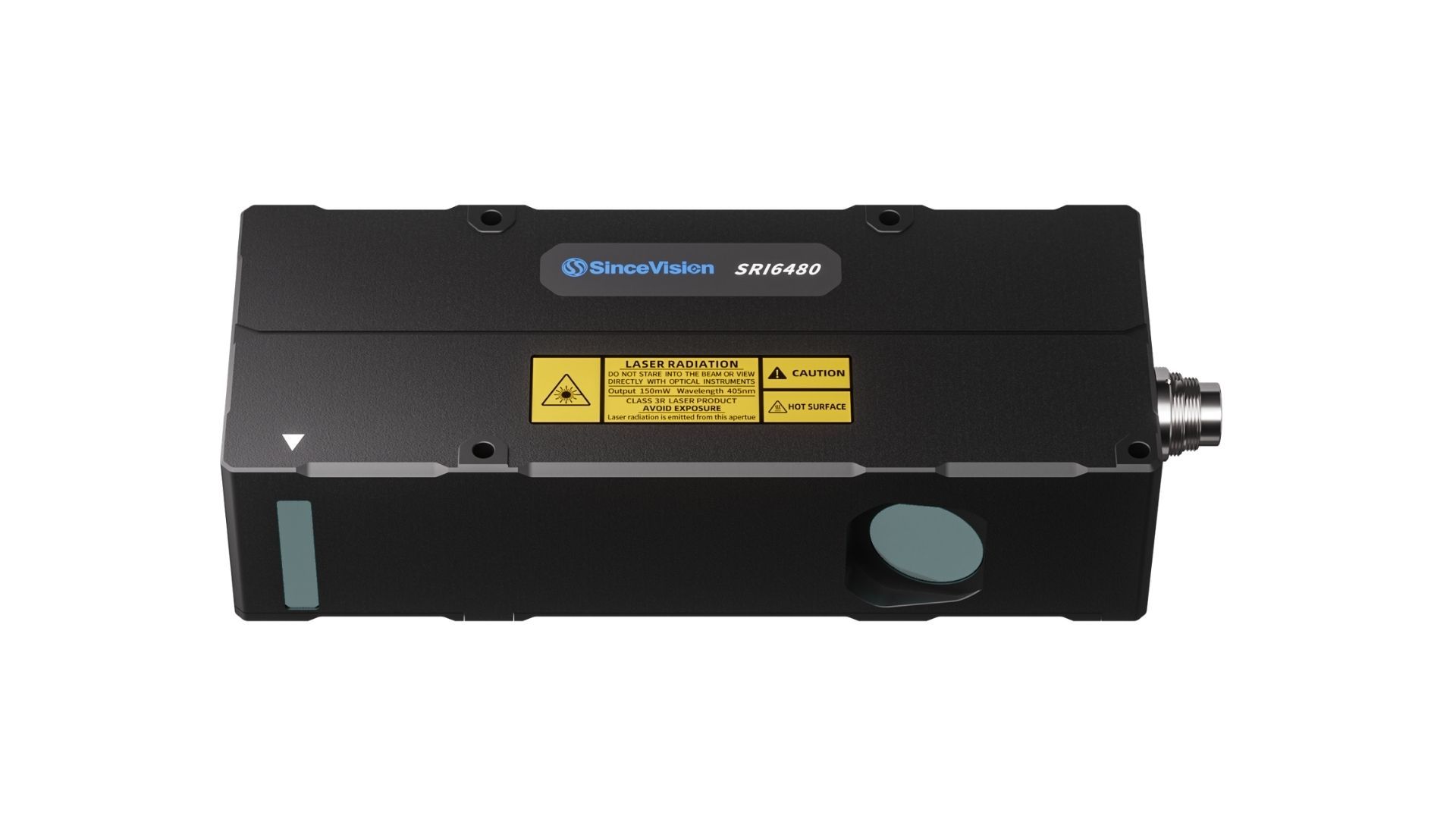
The introduction of the embedded vision 3d laser profiler bridges the gap between high resolution measurement and real time automation. By consolidating laser projection, image acquisition, and computational inference into a single housing, an embedded vision system performs product inspection with 3d scanning entirely at the edge. The SRI6480, introduced as the first model of the new SinceVision SRI6000 Series, exemplifies this evolution. Featuring an internal 8 core CPU and dedicated Neural Processing Unit, the sensor computes calibrated 3D coordinates locally at scanning rates up to 10,000 Hz. Below is an engineering examination of how this advanced 3d laser profiler resolves critical inspection challenges across four major manufacturing sectors.
1. Tire and Rubber Manufacturing: Overcoming Low Reflectivity and High Speed Dynamics
Inspecting black rubber presents a classic machine vision hurdle: extremely low reflectivity and high surface light absorption. Traditional 2D vision systems cannot generate sufficient contrast, while standard 3D profilers often experience data drops at high conveyor speeds.
Application Scenario: High Speed Tire and Rubber Metrology
Target Parts: Tire treads, continuous extruded rubber profiles, O rings, and sidewalls
Key Challenges: Low reflectivity, high surface absorption, and micro defect depth
Sensor Settings: 650 nm red laser and depth conversion algorithms
Line Speed: Exceeding 200 mm per second continuous
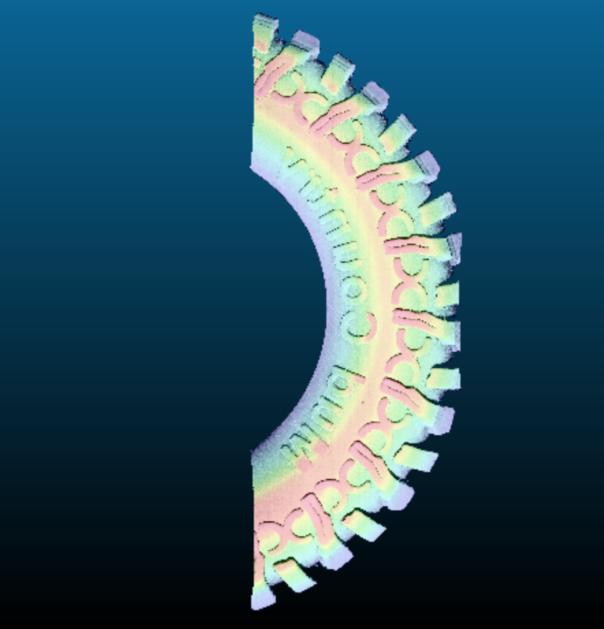
Image 1: Tire inspection by SinceVision embedded vision SRI6480 3D laser profiler
The SRI6480 deploys a high efficiency 650 nm red laser wavelength optimized for low reflectivity matte materials. Operating at line velocities exceeding 200 mm per second, the laser profiler handles four primary inspection tasks:
3D Tread Defect Inspection: Real time point clouds detect surface pits, blisters, scratches, and trapped air bubbles across complex tread patterns.
Extrusion Dimension Monitoring: The profiler continuously tracks cross sectional dimensions, detects width variations, and evaluates spliced joint integrity on continuous rubber extrusion lines.
Seam and Roundness Assessment: When inspecting rubber rings and gaskets, the sensor evaluates seam morphology and ensures total circumferential roundness.
Sidewall DOT Code Verification: Verifying engraved alphanumeric characters on curved tire sidewalls requires depth isolation. The SRI6480 utilizes embedded depth conversion algorithms to separate character engraving depth from surface curvature, ensuring character completeness and regulatory compliance.
2. Automotive Components and Precision Machining: Sub Millimeter Geometric Tolerances
Precision CNC machining and die cast components leave no room for measurement latency. Flaws such as surface warping or step height deviations must be flagged before parts advance to subsequent assembly stations.
Application Scenario: Precision Metal Metrology and Interior Assemblies
Target Parts: Brake friction pads, steering wheel moldings, and precision CNC blocks
Key Challenges: Specular glare, multi feature surface scanning, and tight tolerances
Sensor Settings: 405 nm blue laser with direct Modbus RTU or TCP/IP output
Accuracy Benchmark: 0.03 mm step height and 0.04 mm flatness at speeds over 200 mm per second
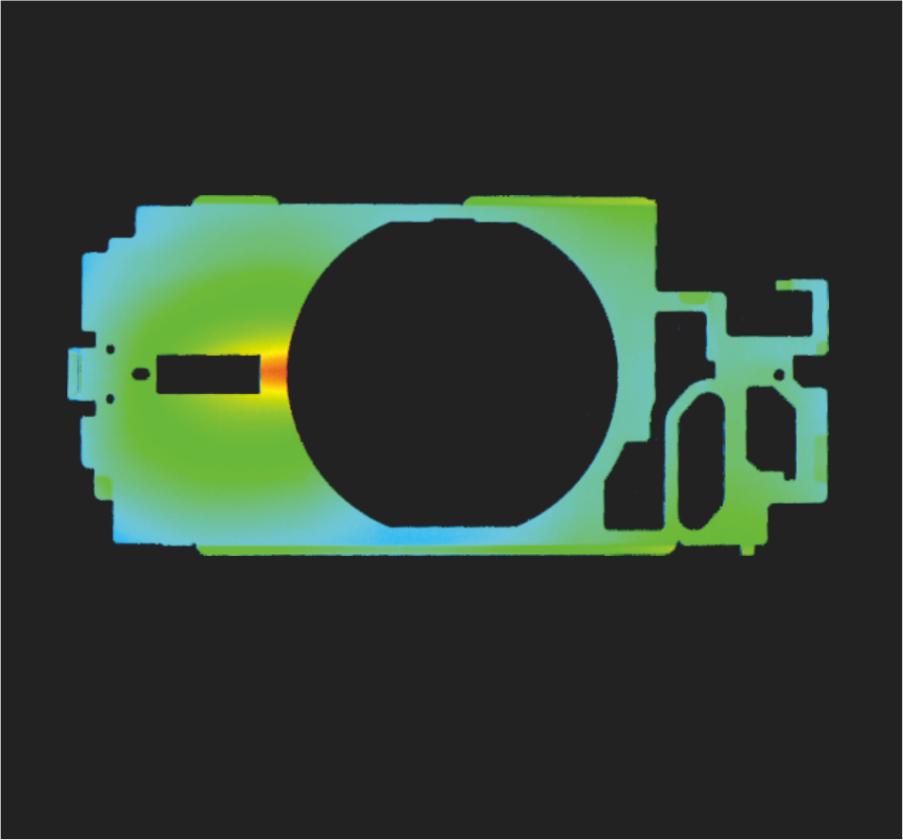
Image 2: Automotive components inspection by SinceVision embedded vision SRI6480 3D laser profiler
For machined aluminum and polished steel, the SRI6480 utilizes its 405 nm blue laser option. The shorter wavelength significantly reduces specular scattering on reflective metal surfaces, allowing crisp profile lines to register cleanly on the sensor array.
Brake Pad Surface Flatness: The profiler conducts comprehensive flatness checks across friction pads, identifying micro impact marks, structural dents, and uneven compaction.
Multi Feature Interior Inspections: For automotive interior assemblies like steering wheels, a single pass line scan captures multiple elevation transitions across injection molded components.
Metrology Grade CNC Verification: When measuring milled step heights and end face planes, the SRI6480 delivers exceptional step height accuracy and surface flatness repeatability.
Because the unit outputs calibrated inspection results directly over TCP/IP and Modbus RTU protocols, factory programmable logic controllers execute automated part rejection without requiring an intermediate PC.
3. Automated Wood and Building Materials: Adaptive Contour Stitching
Natural materials like round timber, lumber, and refractory bricks present non uniform surface textures, moisture variations, and unpredictable coloration. Inspecting these materials requires high optical dynamic range and dual wavelength flexibility.
Application Scenario: Automated Lumber and Refractory Brick Dimensioning
Target Parts: Round logs, wood based panels, and refractory bricks
Key Challenges: Color variance, moisture gradients, and high volume surface scanning
Sensor Settings: 405 nm and 650 nm multi angle deployment with contour stitching
Performance Benchmark: 0.2 mm true value accuracy while resolving 0.6 by 0.6 by 0.4 mm defects
To profile natural logs and composite panels, the SRI6480 can combine 405 nm and 650 nm laser heads across identical inspection stations. When mounting geometries are fixed, combining red and blue wavelengths prevents optical cross talk, enabling synchronized contour stitching around the entire circumference of the log.
High Yield Log Dimensioning: Multi sensor configurations capture complete radial profiles to optimize cutting yields before saws engage the timber.
Panel Dimension and Flaw Detection: For composite and engineered wood panels, the sensor measures total length and width with a true value accuracy of 0.2 mm and a repeatability of 0.08 mm.
Micro Defect Resolution: The profiler resolves localized gouges, surface cracks, and structural pits as small as 0.6 by 0.6 by 0.4 mm in depth, whether operating under blue or red laser wavelengths.
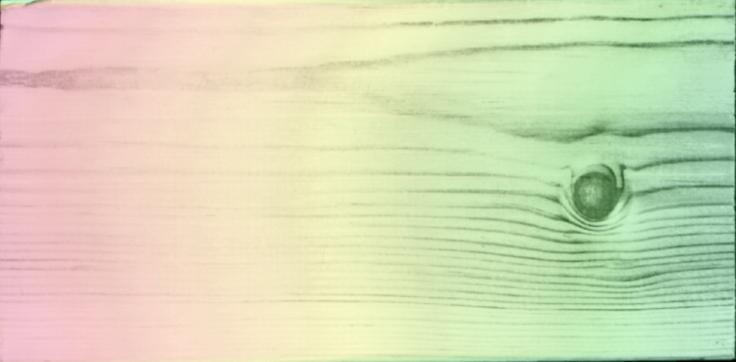
Image 3: Wood processing inspection by SinceVision embedded vision SRI6480 3D laser profiler
4. Footwear and Apparel Automation: Trajectory Guidance for Robotic Dispensing
The apparel and footwear industries are rapidly adopting robotic automation for adhesive dispensing. Guiding a multi axis robotic arm along a three dimensional shoe sole requires real time edge tracking across changing materials, colors, and compound elasticities.
Application Scenario: Robotic Adhesive Dispensing Path Guidance
Target Parts: Shoe outsoles, midsoles, and multi material footwear assemblies
Key Challenges: Multi material reflectivity, elastic edge shifts, and path deviations
Sensor Settings: On board NPU executing an adaptive spot finding algorithm
Result: Real time continuous 3D path trajectory generation
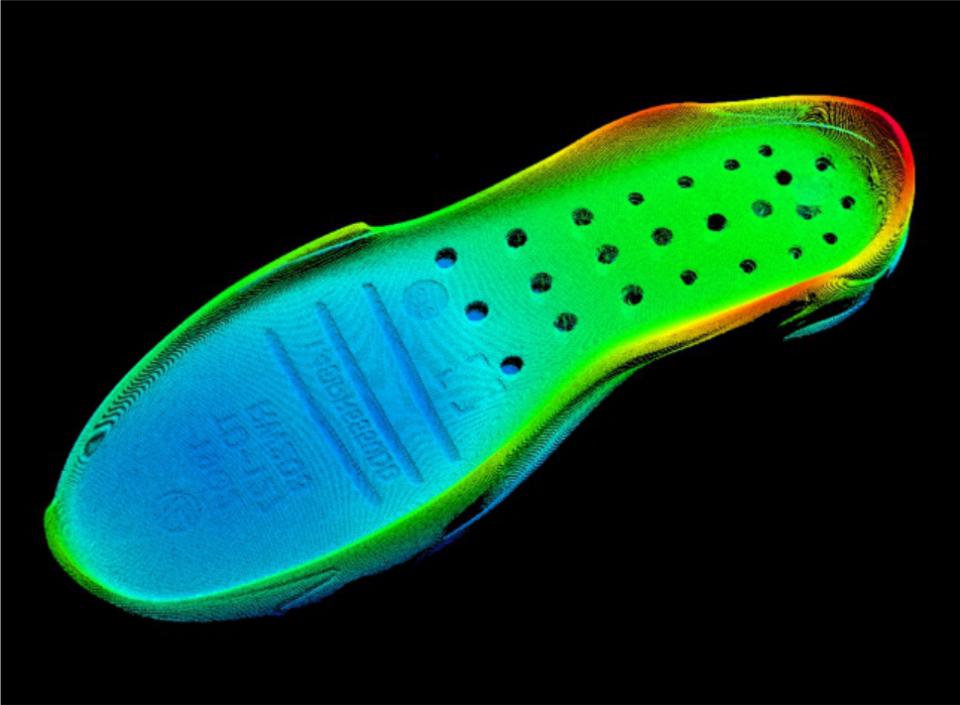
Image 4: Automated shoe sole adhesive dispensing path guidance by SinceVision embedded vision SRI6480 3D laser profiler
Traditional machine vision systems frequently lose edge reference points when adhesives are applied across high contrast color breaks or textured rubber outsoles. The SRI6480 overcomes this limitation through on board edge intelligence:
Intelligent Edge Recognition: Guided by its embedded NPU, the profiler runs an adaptive spot finding algorithm directly on the sensor head. The algorithm understands the structural profile of the shoe sole, ensuring stable dot placement along product borders regardless of color shifts or material shine.
Dynamic Trajectory Generation: The sensor extracts clean boundary contours and translates them into motion paths for robotic dispensing heads, eliminating manual reprogramming when production lines transition to new shoe sizes and models.
Application Performance Summary Specifications
| Target Application | Core Inspection Metric | Measurement Accuracy | Line Velocity | Recommended Wavelength |
| Tire Extrusion & Tread | Profile width, pits, splice seams | Depth-resolved defect scan | >200 mm/s | 650 nm (Red) |
| Sidewall DOT Codes | Character depth, code completeness | Depth conversion verification | >200 mm/s | 650 nm (Red) |
| Automotive CNC Metal | Step height, surface flatness | 0.03 mm step / 0.04 mm flatness | >200 mm/s | 405 nm (Blue) |
| Wood-Based Panels | Length, width, surface voids | 0.2 mm true / 0.08 mm repeat | Continuous feed | 405 nm / 650 nm |
| Shoe Sole Dispensing | Outer boundary contour tracking | Adaptive spot-finding trajectory | Robot sync | 405 nm / 650 nm |
The Edge Metrology Advantage
Deploying an embedded vision 3d laser profiler like the SinceVision SRI6480 from the SRI6000 Series eliminates the infrastructure compromises of legacy machine vision. By unifying optical sensing, dual wavelength flexibility, and internal NPU computing power, integrators can deploy inline product inspection with 3d scanning directly on high speed lines, slashing integration overhead while guaranteeing micron level reliability.
Request a demo, sample, quote, or free consultation today to see how true embedded vision can transform your automated quality control.
Frequently Asked Questions
What materials can an embedded vision 3D laser profiler inspect?
Thanks to dual wavelength capabilities offering 405 nm blue and 650 nm red lasers, modern 3D laser profilers like the SRI6480 can inspect a vast range of industrial materials. Blue lasers are ideal for highly reflective machined metals and CNC components, while red lasers excel on low reflectivity matte surfaces like black tire rubber, dark plastics, and raw wood.
Why is edge computing important for inline 3D metrology?
Traditional machine vision systems require external controllers or industrial PCs to process point cloud data, which introduces data transmission latency. Edge computing moves the 3D coordinate calculation and contour extraction algorithms directly onto the sensor head via an internal CPU and NPU. This delivers zero latency results directly to the factory network and saves significant cabinet space.
Can the SRI6480 handle high speed continuous production lines?
Yes. The sensor achieves scanning speeds of up to 10000 Hz. For continuous product inspection with 3D scanning, it maintains strict measurement accuracy such as 0.03 mm step height and 0.04 mm flatness even when target objects are moving at velocities exceeding 200 mm per second.
What is the advantage of using dual wavelengths in product inspection with 3D scanning?
Different materials reflect light differently. In complex scenarios like automated log dimensioning, using both red and blue light wavelengths simultaneously allows integrators to perform contour stitching without the multiple sensor heads optically interfering with one another.

You can also read
Unlocking Flame Cellular Instability: Advanced High-Speed Camera Flame Imaging with the SinceVision SH8 Series
Oct 09, 2026
Analyzing Brittle Fracture in Tomato Roots: A SinceVision High-Speed Camera & DIC Experiment for Agricultural Robotics
Sep 01, 2026
3D Laser Profiler for Lithium-Ion Battery Top Cover Bonding Height Measurement
Aug 14, 2026
Observation of Embryonic Fibroblasts with sCMOS Camera for Multichannel Imaging
Jun 23, 2026
Automating Automotive Body Gap Detection with the SinceVision SR8060H 3D Laser Profiler
Jun 05, 2026



 Compare
 Clear the comparison bar

