










Analyzing Brittle Fracture in Tomato Roots: A SinceVision High-Speed Camera & DIC Experiment for Agricultural Robotics
The SinceVision Team utilized a 4,500 FPS high-speed camera and Digital Image Correlation (DIC) to quantify the brittle fracture process of tomato roots. The experiment successfully captured full-field deformation data across three stages: crack initiation, propagation, and complete fracture release. These quantitative findings provide crucial biomechanical baseline data for optimizing the gripping thresholds and cutting mechanisms of automated agricultural robots.


Executive Summary:
Objective: To capture and analyze the transient sequence of brittle fracture in tomato roots and stems to inform the design of agricultural robots and automated harvesting equipment.
Methodology: Utilized a SinceVision SH6 Series high-speed camera (shooting at 4,500 FPS at 2560×2016 resolution) combined with Digital Image Correlation (DIC) and a single-eye non-contact full-field strain measurement system.
Key Findings: The fracture process was successfully quantified into three distinct stages: crack initiation, crack propagation, and complete fracture release.
Application: The resulting full-field deformation data provides a quantitative mechanical basis for optimizing robotic gripping thresholds, cutting tool geometries, and picking path planning.
Introduction
This experiment, relying on a SinceVision SH6 Series high-speed camera, successfully captured the transient image sequence of the entire brittle fracture process in tomato roots and stems. By combining DIC analysis, we obtained full-field deformation data covering everything from crack initiation and propagation up to the final release of strain energy. This data provides a crucial quantitative mechanical basis for the design of agricultural robot gripping and cutting mechanisms.

Background: Mechanical Fractures in Tomato Roots
As a typical fragile biological material, crop main stems and side stems often experience sudden brittle fractures under the action of external loads during mechanized harvesting.
Because the fracture process time is extremely short, traditional contact sensors are unable to effectively capture the full dynamic response trajectory of the crack formation and extension. Furthermore, they cannot obtain full-field displacement and stress distribution information during the fracture process.
With the rapid development of agricultural robots, automated planting, and harvesting equipment, design engineers urgently need to master the mechanical response characteristics and damage patterns of crop stalks during mechanical interaction. The design parameters of the grip mechanism, the geometric optimization of the cutting tool, and the planning of the delivery path all depend on a quantitative understanding of the root's rupture behavior.
To solve this, this experiment adopts a single-eye non-contact full-field strain measurement system, combined with high-speed image acquisition technology, to systematically obtain deformation field evolution data throughout the brittle fracture process.
Methodology for High-Speed Image Acquisition
1. Sample Preparation and Speckle Patterning
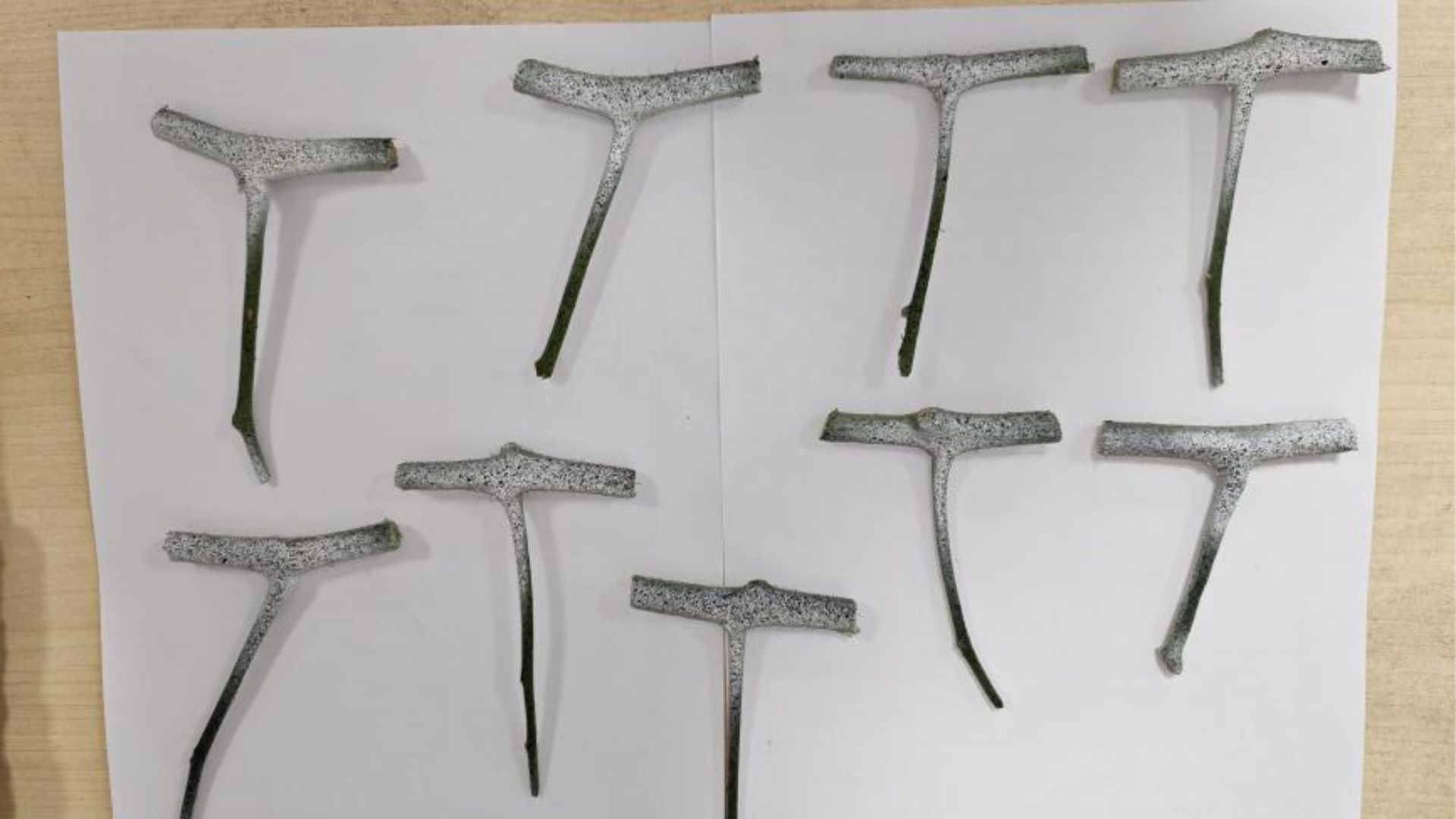
Fresh tomato root samples were chosen, and the key geometric dimensions of the main and side stems were measured before pruning the samples to a suitable length for the testing machine.
To ensure the tracking accuracy and recognition reliability of single-view DIC analysis, the specimen surface was prepared using the following steps:
A high-contrast random speckle pattern with alternating black and white patches (ensuring approximately 50% black and 50% white) was uniformly sprayed onto the specimen.
This speckle field serves as natural marker points for deformation calculation.
During spraying, the coating thickness was carefully controlled to avoid obscuring the micro-texture of the root and stem surfaces while maintaining the sharpness of the spot edges and grayscale contrast.
2. SinceVision Camera Setup and Image Acquisition
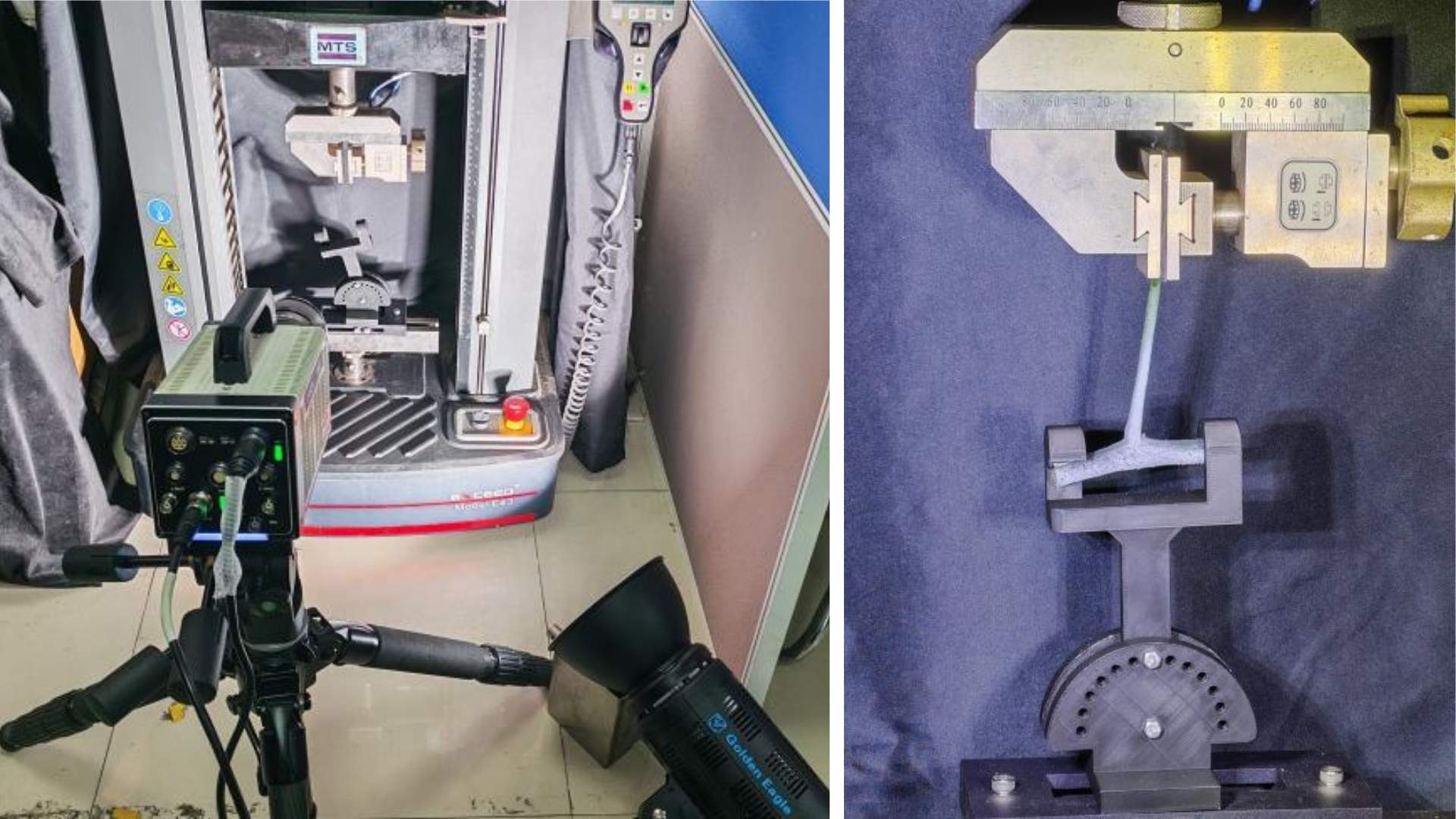
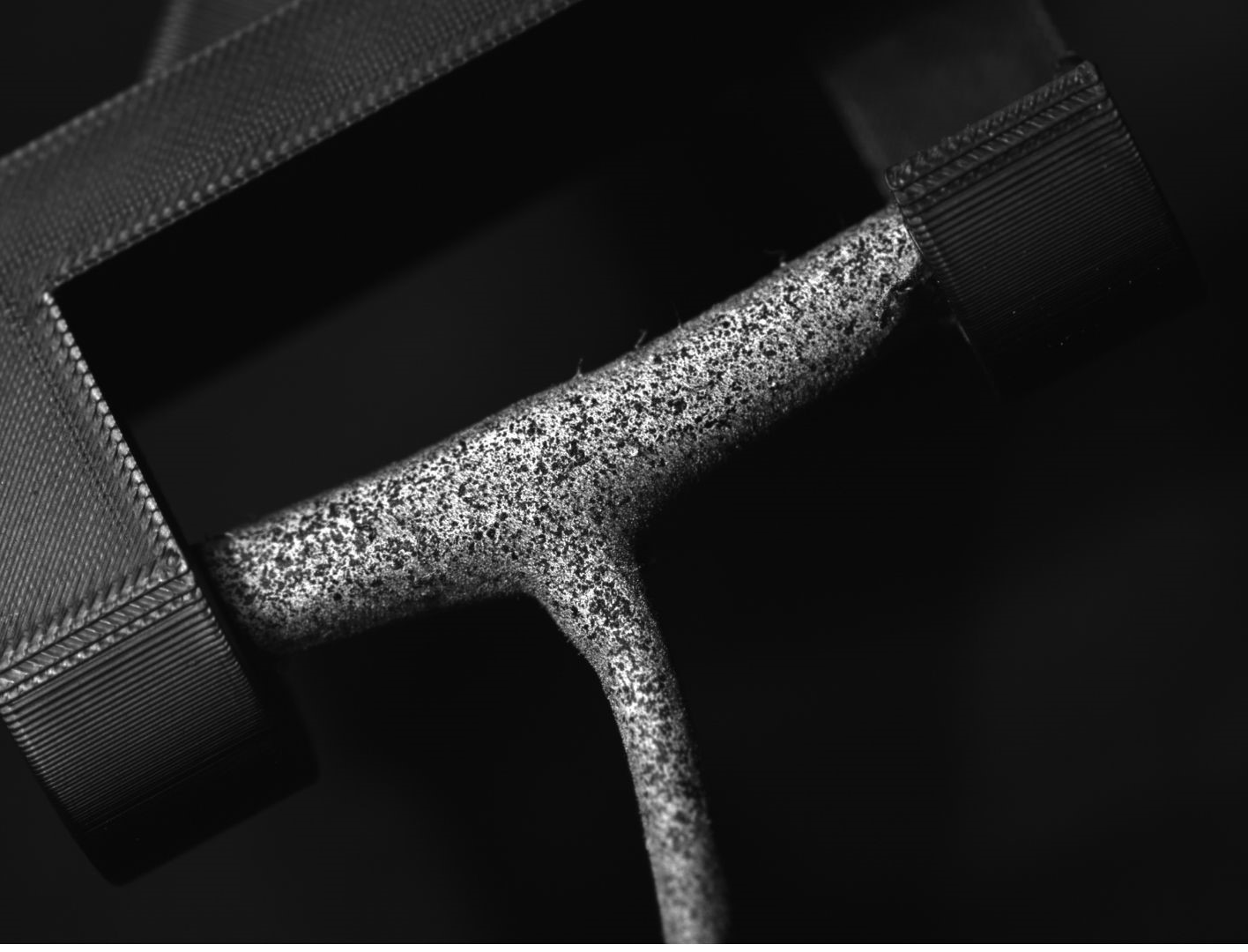
The experiment utilized a SH6 Series high-speed camera as the core image acquisition device. Capable of achieving a shooting speed of 4,500 frames per second at a high resolution of 2560×2016, the camera is more than sufficient to capture transient images of crack initiation and propagation.
The SinceVision camera was secured directly in front of the sample to ensure the optical axis remained perpendicular to the specimen surface. To obtain a clear sequence of scattered images, several fine adjustments were made prior to data gathering:
Focus: Ensured spot patterns were evenly focused within the entire field of view.
Lighting: Adjusted the angle of the light source to avoid surface reflection and glare that could cause local overexposure.
Exposure: Set the appropriate exposure time to perfectly balance image brightness with motion blur suppression.
3. Load Application and Synchronous Measurement
The specimen was attached to the auxiliary casing of a universal materials testing machine. Using a displacement control loading method, a monotonous incremental load was applied at a constant rate until the specimen completely fractured.
Simultaneously, the SinceVision camera continuously and synchronously collected the scatter patterns on the surface of the specimen at a fixed frame rate, resulting in time-series image data covering the complete lifecycle of the crack.
Data Analysis: Strain Fields and Displacement
Whole-Field Response Cloud Atlas (DIC Analysis)
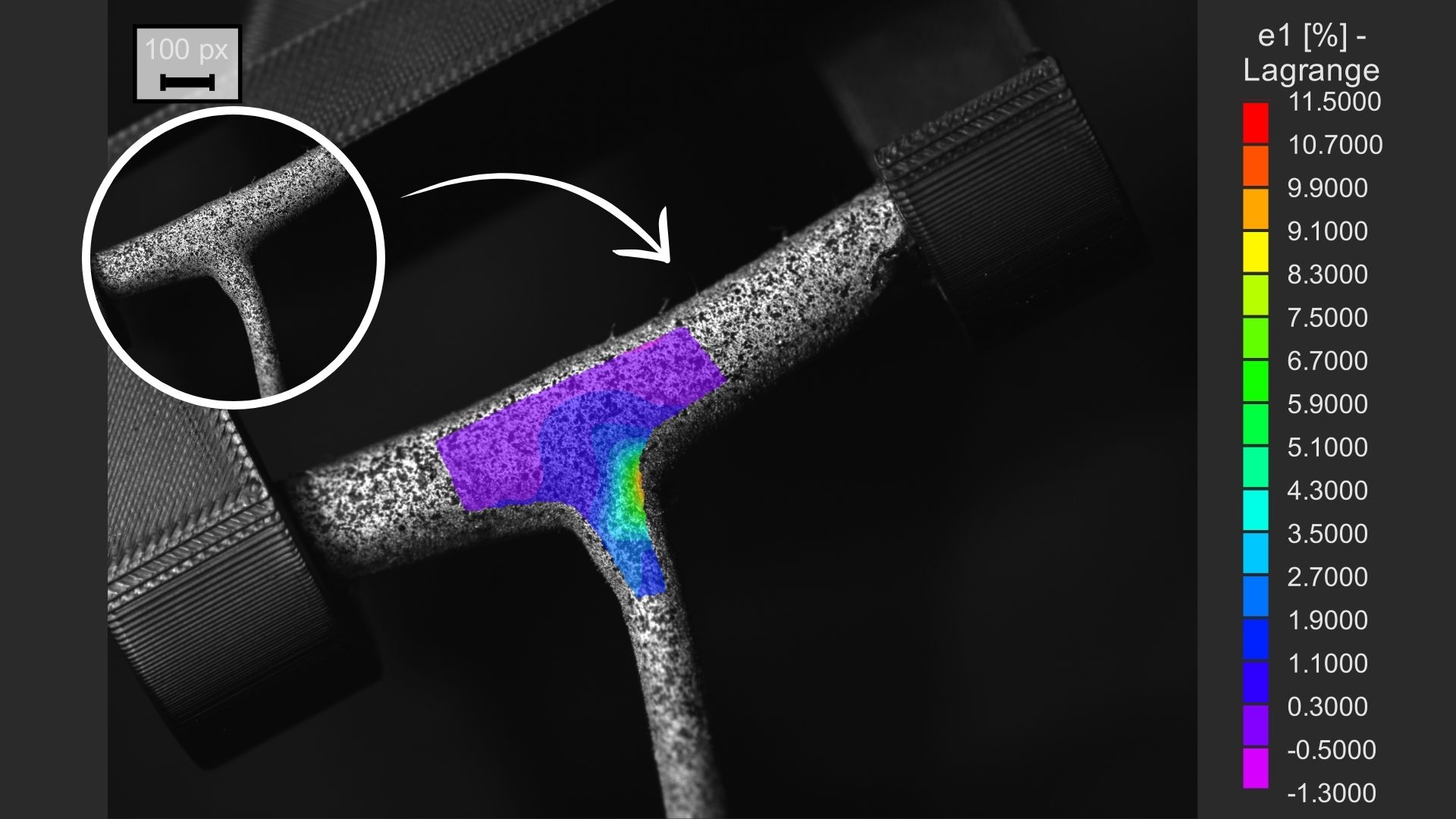
By processing the acquired image sequence frame by frame through the DIC system, the strain tensor components of each sub-region on the specimen surface were calculated, outputting equivalent strain or principal strain cloud maps.
Based on the spatiotemporal evolution characteristics of the strain field, the fracture process is divided into three distinct stages:
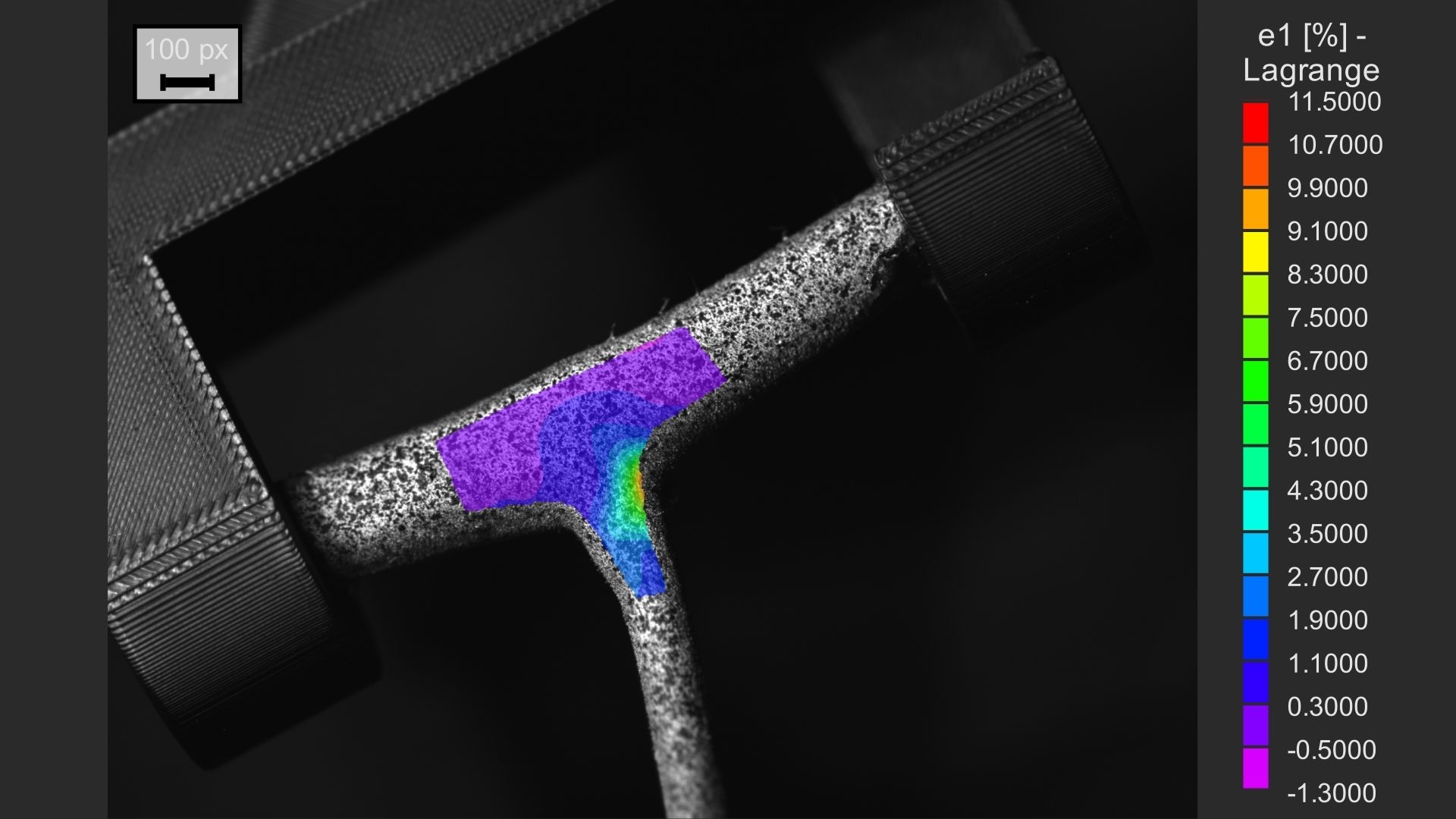
Crack Initiation Stage: The strain cloud map shows a significant localized strain concentration band, indicating that this location has reached the material's local strength limit first, and microcracks have begun to form. At this stage, the strain gradient rises rapidly, though the concentrated region's area remains small.
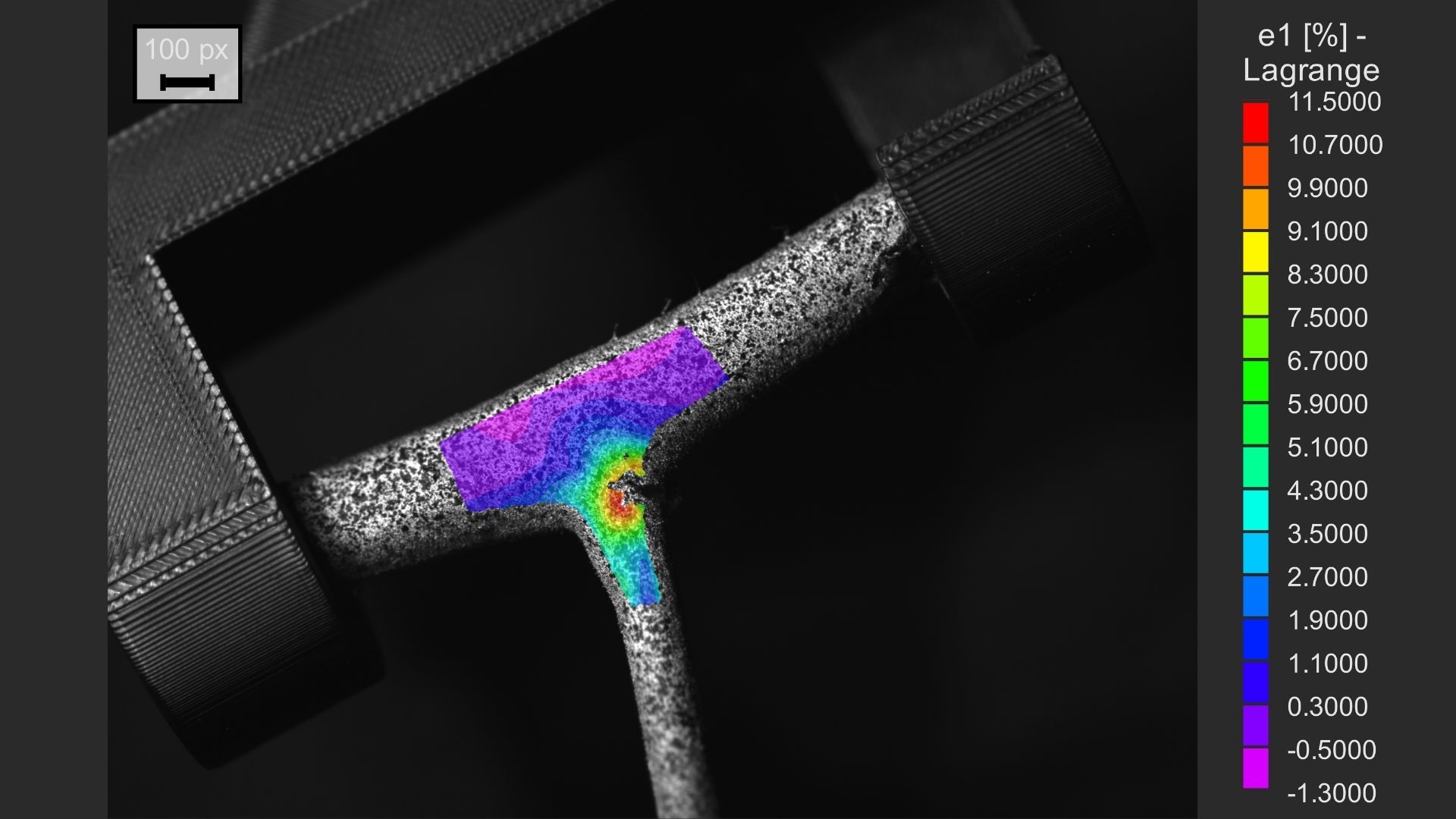
Crack Propagation Stage: The high-strain band extends rapidly along a specific direction, and the main crack path becomes clearly discernible in the cloud map. A high-strain region persists ahead of the crack tip, while strain relaxes rapidly behind it—a classic characteristic of brittle fracture.
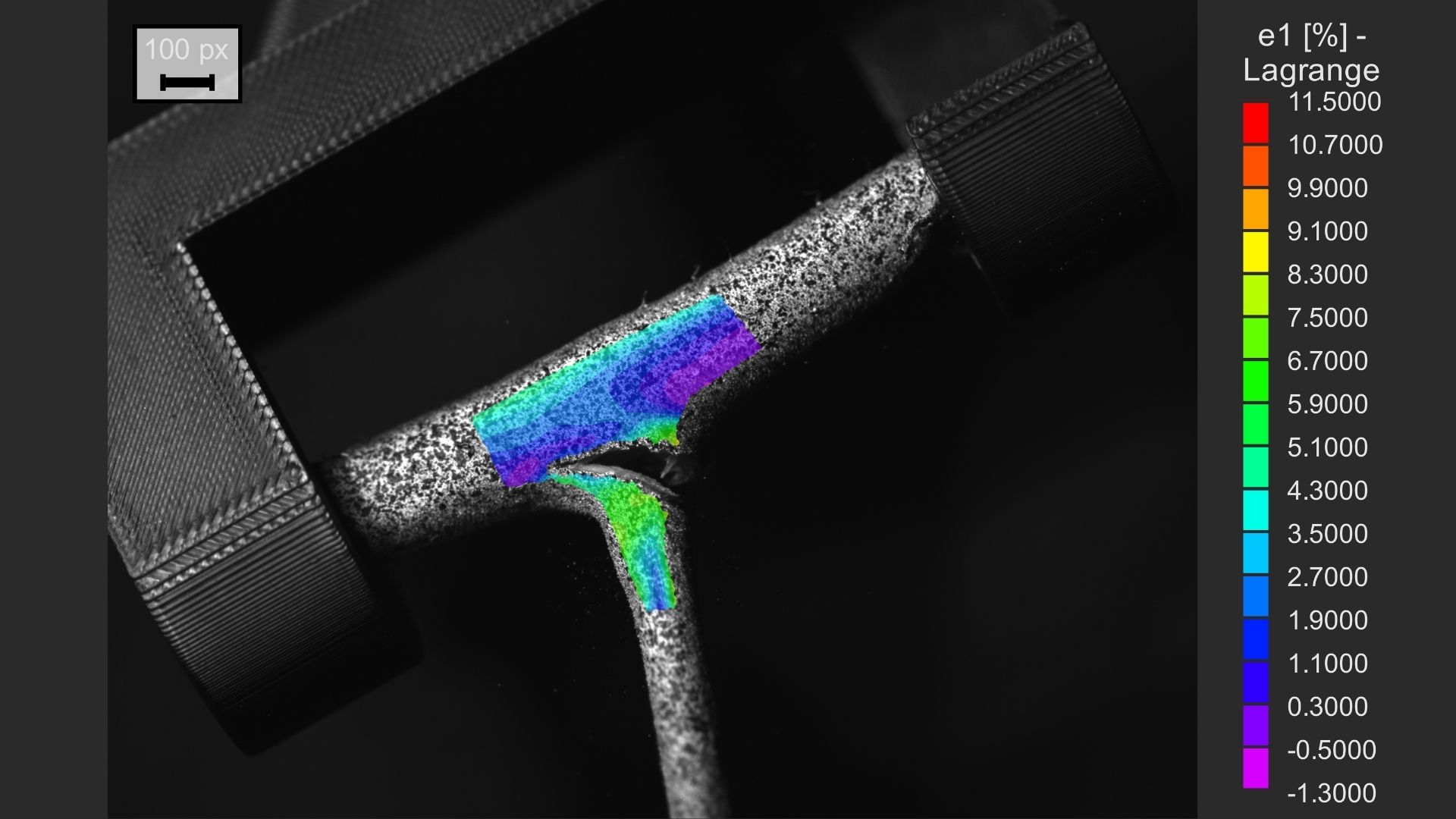
Complete Fracture Release Stage: The crack propagates entirely through the cross-section of the specimen, causing an instantaneous release of strain energy. The cloud map shows that strain values on both sides of the fracture surface drop sharply to near-zero levels, indicating complete surface separation and a total loss of structural load-bearing capacity.
Quantitative Extraction of Bilateral Displacement
To further quantify the deformation differences on both sides of the crack and the evolution law of fracture opening, several pairs of characteristic measurement points were symmetrically selected at the edge region of the crack. Their spatial coordinate displacements were tracked frame by frame, extracting displacement components in both the loading direction and perpendicular to the crack direction.
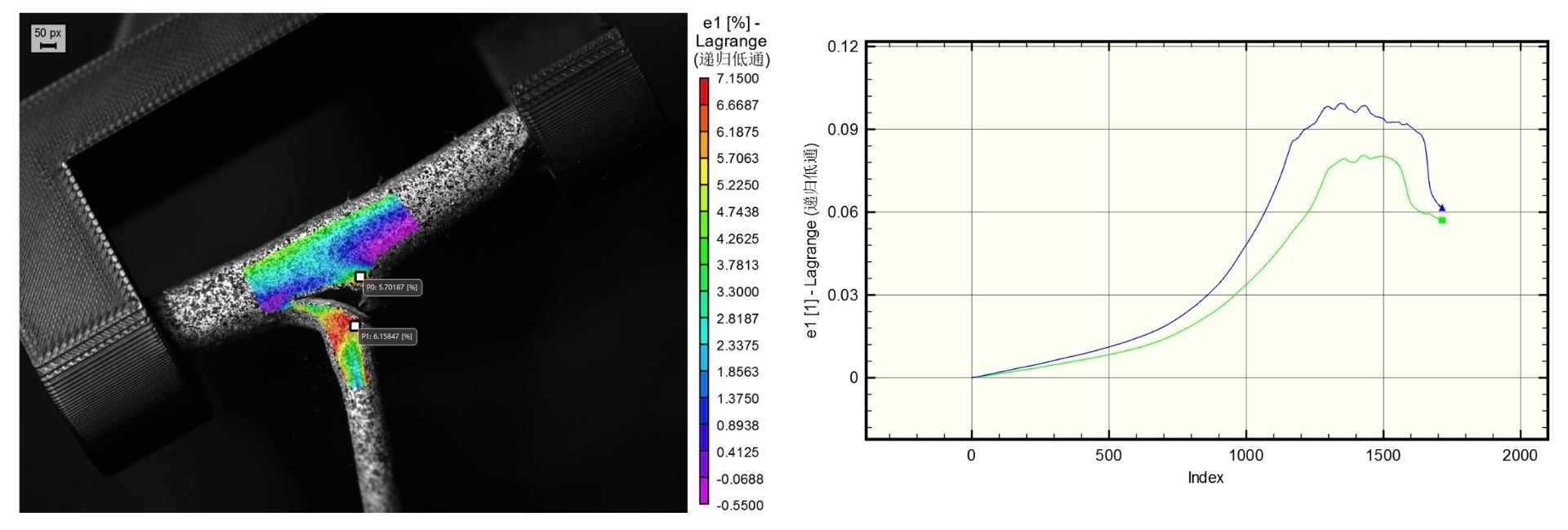
When plotting the relative displacement-time curve and displacement-load curve for each pair of measurement points, the analysis revealed:
Before Crack Development: The displacement trajectories of the two measured points basically coincide, and relative displacement is close to zero, indicating the specimen is in a state of continuous, unbroken deformation.
During the Expansion Stage: The bilateral displacement curve forks significantly. The relative opening displacement rises nonlinearly and rapidly as the load increases.
Upon Complete Rupture: The curve exhibits a significant leap in displacement (a "shear gap" separation), indicating that the fractured surface is completely disconnected and structural stiffness has dropped to zero.
These displacement curves mutually support the strain cloud analysis results, together constituting a complete, high-precision description of the mechanical response throughout the rupture process.
Conclusion and Future Applications
This trial successfully applied high-speed imaging via a SinceVision camera and non-contact full-field strain measurement technology to study brittle rupture in tomato roots. We achieved deformation field visualization and quantitative characterization from initial crack germination to complete structural rupture.
The resulting high-precision data can be directly integrated into engineering scenarios, including agricultural robot grip threshold setting, tool structure optimization, and picking path planning. Furthermore, it provides a methodological reference for fracture mechanics research on other fragile plant materials.
Subsequent work by the SinceVision team and research partners will extend this methodology to comparatively analyze fracture behaviors under varying moisture content, maturity levels, and load rate conditions, ultimately establishing more universal fracture determinations and mechanical models for the agricultural industry.
Frequently Asked Questions (FAQs)
Why is a high-speed camera necessary for agricultural root fracture analysis?
Brittle fractures in biological materials like crop stems occur in milliseconds. Traditional contact sensors cannot capture the full dynamic response or the spatial strain distribution. A high-speed camera, like those from SinceVision shooting at 4500 frames per second or higher, is required to freeze the transient image sequence of crack initiation, propagation, and complete structural failure.
What is DIC (Digital Image Correlation) analysis in agricultural robotics?
DIC is a non-contact, full-field optical measurement technique. By applying a random speckle pattern to a specimen (like a tomato root) and capturing it with a high-speed camera under load, DIC software tracks the displacement of the speckles frame-by-frame. This allows engineers to calculate precise strain and displacement fields without physically touching the delicate plant material.
How does root and stem fracture data improve agricultural robot design?
Understanding the exact mechanical response and fracture thresholds of crops allows engineers to optimize the grip force of robotic end-effectors, refine the geometry of cutting tools, and plan better harvesting paths. This minimizes crop damage and improves the overall efficiency of automated harvesting equipment.
What camera resolution and frame rate are needed for plant biomechanics testing?
To accurately track micro-cracks and rapid strain energy release in plant stems, a combination of high resolution and high frame rate is ideal. This experiment successfully utilized a SinceVision high-speed camera capturing 4500 FPS at a resolution of 2560×2016, which provided ample clarity and temporal resolution for the DIC software.

Featured Camera

SH6-505
SH6-503S
SH6-204
SH6-201
You can also read
Unlocking Flame Cellular Instability: Advanced High-Speed Camera Flame Imaging with the SinceVision SH8 Series
Oct 09, 2026
Analyzing Brittle Fracture in Tomato Roots: A SinceVision High-Speed Camera & DIC Experiment for Agricultural Robotics
Sep 01, 2026
3D Laser Profiler for Lithium-Ion Battery Top Cover Bonding Height Measurement
Aug 14, 2026
Observation of Embryonic Fibroblasts with sCMOS Camera for Multichannel Imaging
Jun 23, 2026
Automating Automotive Body Gap Detection with the SinceVision SR8060H 3D Laser Profiler
Jun 05, 2026



 Compare
 Clear the comparison bar
