










Samsung's Solid-State Battery: 965 km Range & 9-Minute Charge Ready
Samsung's solid-state battery offers a 965km range, 9-minute charging, and a 20-year lifespan. Learn how this 500 Wh/kg technology will reshape the EV market by 2027.
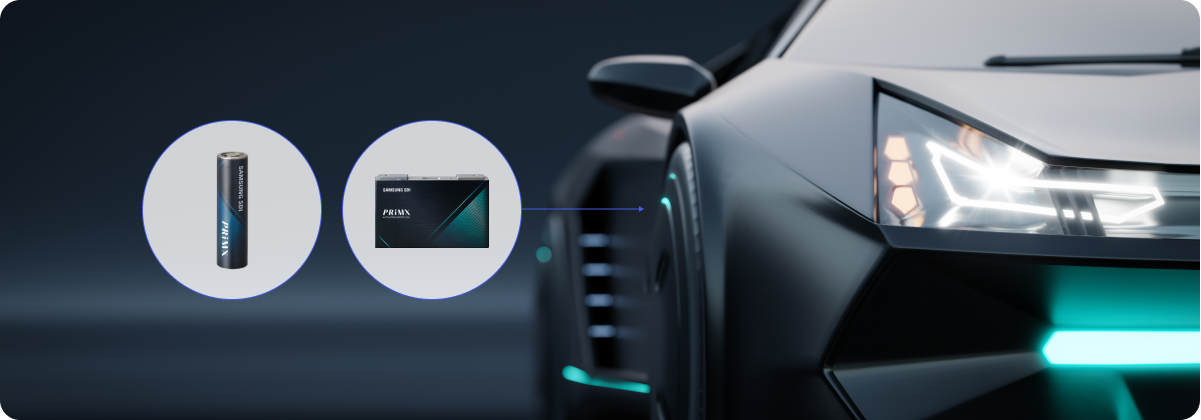


Samsung SDI has officially transitioned its solid-state battery (SSB) technology from laboratory prototypes to the final pre-production phase. First unveiled at SNE Battery Day, these "All-Solid-State Batteries" (ASSBs) are now entering a critical roadmap that targets limited luxury vehicle integration by 2026 and mass production by 2027.
As the EV landscape faces a "precision plateau," Samsung’s breakthrough represents the next great leap in energy density and consumer safety.
Key Performance Benchmarks for 2026
1. Eliminating Range Anxiety: With a capacity to power vehicles for up to 965 kilometers (600 miles) on a single charge, Samsung’s SSB technology nearly doubles the utility of high-end lithium-ion packs.
2. Ultra-Fast Charging: The battery supports charging speeds from 10% to 80% in just 9 minutes. This requires high-capacity infrastructure (480 kW–600 kW), which is currently being deployed across major global transit corridors.
3. 20-Year Durability: Samsung has verified a lifespan of 2,000 charge-discharge cycles, translating to roughly 1.2 million miles (2 million km). This longevity effectively makes the battery outlast the vehicle’s chassis.
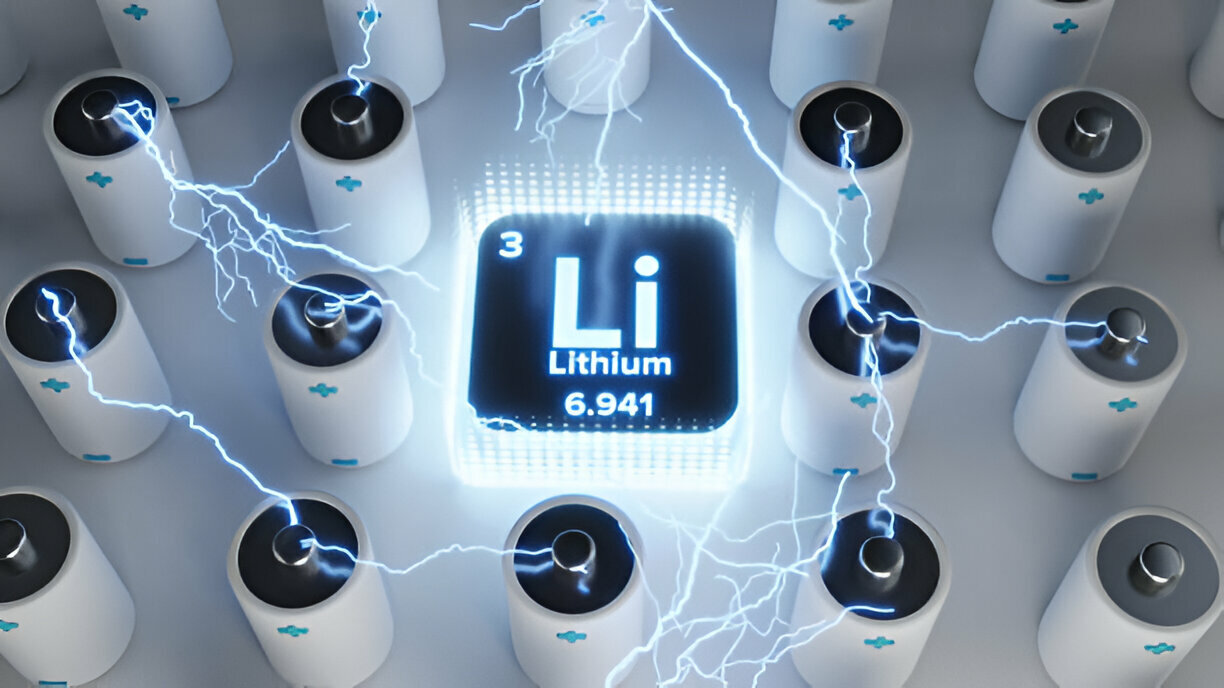
The Technical Advantage: Silver-Carbon Anode Technology
Unlike standard lithium-ion batteries that use liquid electrolytes, Samsung utilizes a solid sulfide-based electrolyte and a proprietary silver-carbon (Ag-C) composite layer for the anode.
A. Energy Density: Samsung’s ASSBs achieve 500 Wh/kg, a massive leap over the ~270 Wh/kg found in today's best prismatic cells.
B. Safety Profile: The removal of flammable liquid electrolytes eliminates the risk of thermal runaway, allowing for tighter packaging and less cooling infrastructure.
2026-2027 Market Implications
In late 2025, Samsung SDI announced a landmark trilateral agreement with BMW and Solid Power. BMW is expected to integrate these ASSB cells into next-generation evaluation vehicles (such as the i7 test platforms) by late 2026.
Initial Adoption Hierarchy:
Phase 1 (2026): Small-scale testing in wearables (Galaxy Watch/Ring) and high-performance "halo" vehicles.
Phase 2 (2027): Commercial mass production for luxury EVs (Stellantis, Hyundai, and BMW).
Phase 3 (2028+): Trickle-down to mainstream passenger EVs as sulfide-electrolyte production scales.
Conclusion
Samsung's "Super-Gap" technology is no longer a distant promise. With road-testing and pilot-line production in Korea well underway, 2027 will mark the year the EV industry finally overcomes the speed-vs-range paradox.
Explore how manufacturers use industrial sensors for Lithium Battery manufacturing.

Sensor & Camera

SH6-502

SH3-502
SH2-203
SRI7400R
SRI71600
You can also read
Analyzing Brittle Fracture in Tomato Roots: A SinceVision High-Speed Camera & DIC Experiment for Agricultural Robotics
Sep 01, 2026
Discover Advanced High-Speed Camera Solutions for Structural Mechanics at the 2026 BSSM Conference in Swansea, UK
Aug 19, 2026
3D Laser Profiler for Lithium-Ion Battery Top Cover Bonding Height Measurement
Aug 14, 2026
Observation of Embryonic Fibroblasts with sCMOS Camera for Multichannel Imaging
Jun 23, 2026
Automating Automotive Body Gap Detection with the SinceVision SR8060H 3D Laser Profiler
Jun 05, 2026



 Compare
 Clear the comparison bar
