










Machine Vision Sensor Solutions in Automotive Manufacturing | SinceVision Application Cases
Explore how SinceVision's machine vision sensors improve accuracy, efficiency, and quality in automotive inspection. Learn about advanced applications including film thickness measurement, connector PIN detection, die-casting inspection, vibration analysis, gluing guidance, and dimensional measurement across global automotive production lines.
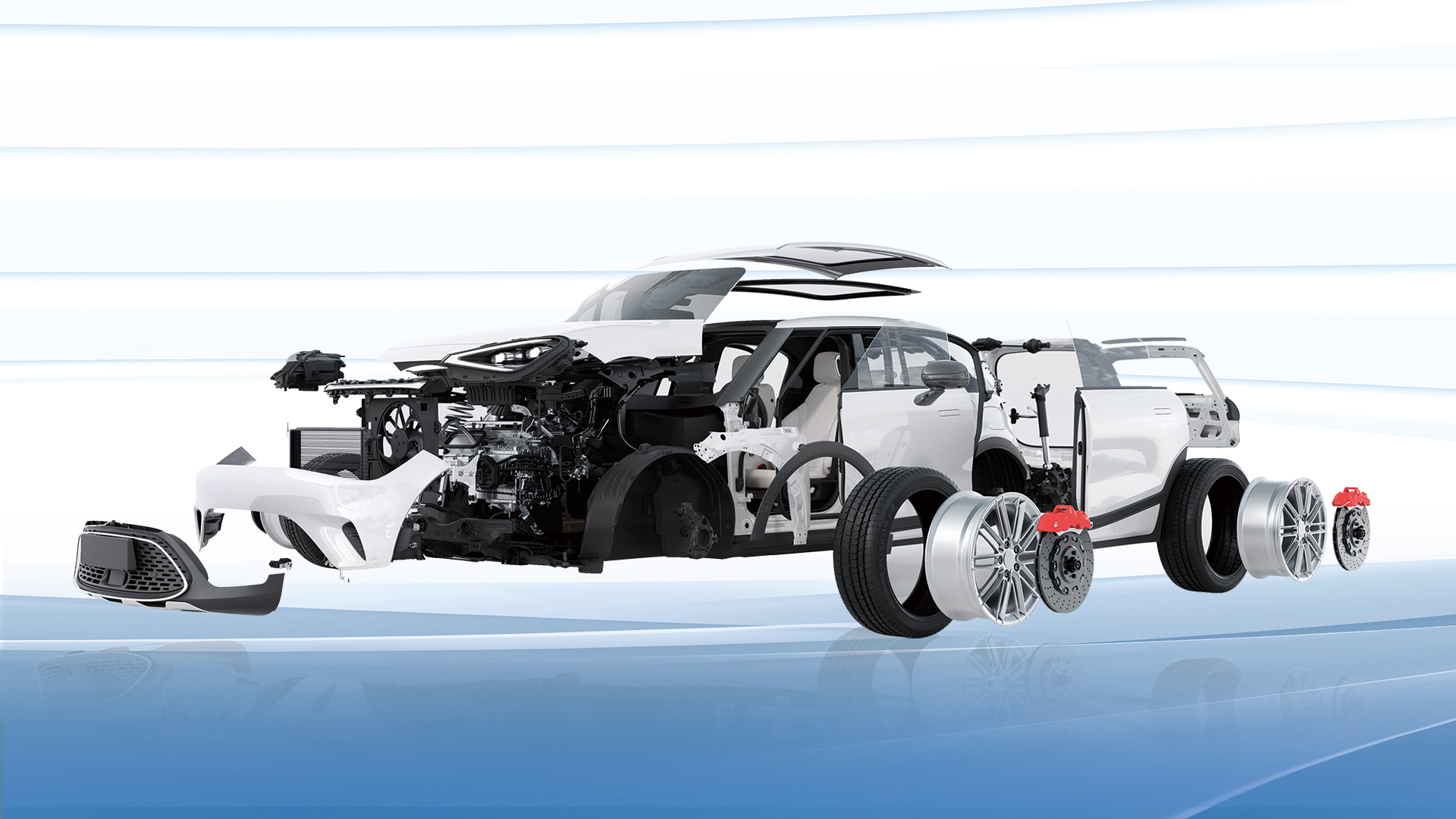


As vehicles transition toward greater digitalization and intelligent functions, the demand for consistent quality in automotive manufacturing continues to rise. Competition within the industry has intensified, making manufacturing precision more important than ever. Among all production processes, component inspection plays a decisive role. The dimensional accuracy, structural integrity, and overall consistency of each part affect assembly precision, body stability, driving experience, and final vehicle quality.
Machine vision has emerged as a practical alternative to manual inspection. It enables non-contact measurement, reduces human variability, and avoids the surface damage that can occur with physical probes or repeated manual handling. Machine vision sensors also maintain stable performance in complex factory environments and support continuous inspection without fatigue. This contributes to lower labor costs, improved workflow efficiency, and stronger quality assurance across automotive production lines.
SinceVision develops a wide portfolio of high-precision vision sensors for industrial automation. These solutions are used by downstream automotive manufacturers to improve inspection accuracy while reducing operation and maintenance costs. The following application cases highlight how SinceVision’s machine vision technologies support defect detection, process control, and dimensional measurement in automotive manufacturing.
1. Water Cooling Plate Film Thickness Inspection
Application Scenario
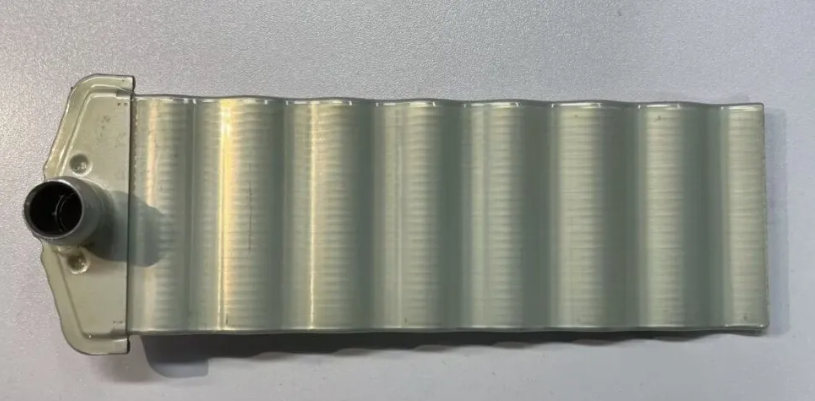
Water cooling plates play a central role in the thermal management of automotive power batteries. As batteries generate heat during operation, cooling plates transfer this heat through surface contact, helping maintain safe operating temperatures. The film thickness on the cooling plate must remain uniform; otherwise, heat dissipation becomes uneven, which affects thermal performance and increases the risk of battery degradation.
Therefore, accurate measurement of film thickness is required to ensure consistent cooling efficiency.
Solution
The SinceVision SCI04025 spectral confocal displacement sensor is used to measure film thickness with high precision. Its key performance characteristics include:
l33 kHz sampling frequency
l4 mm measurement range
l0.005 mm repeatability
The confocal principle allows the system to collect thickness data even when the water cooling plate is moving at high speed along the production line. This enables continuous, real-time inspection without slowing down the process. With stable measurement output and high repeatability, the sensor maintains uniformity control and contributes to more reliable cooling system performance.
2. Muffler Vibration Detection
Application Scenario
The exhaust muffler is a structural component designed to reduce noise and emissions. During operation, the muffler experiences vibration, thermal expansion, and structural loading. The vibration durability of the exhaust muffler is a critical measure of its mechanical performance. Evaluating vibration displacement helps manufacturers ensure long-term reliability under varying load conditions.
Solution
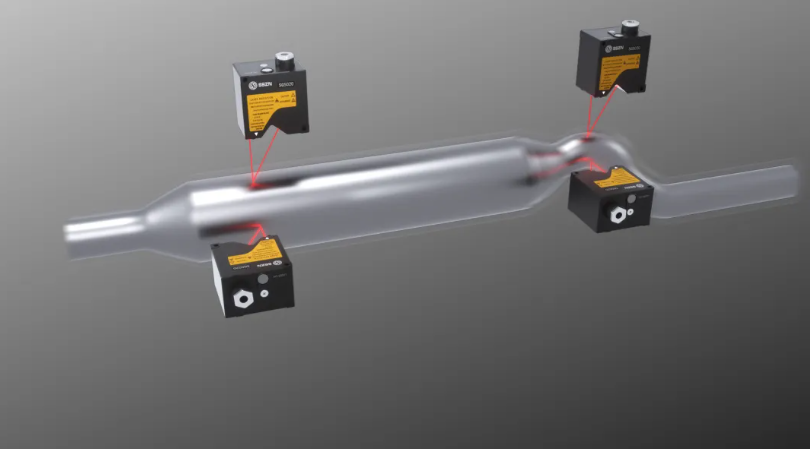
The SinceVision SG5025 high-precision laser displacement sensors (1–4 units depending on the setup) enable non-contact vibration measurement. Each sensor emits a laser beam, receives reflected light, and calculates displacement based on the principle of triangulation.
Key specifications include:
l0.02 µm static repeatability
l590 kHz sampling frequency
lAccurate measurement in narrow or inaccessible areas
This setup captures both small-scale and high-frequency vibrations. Even in environments subject to high temperature or complex acoustic conditions, the SG5025 provides stable and reliable data, supporting engineers in vibration analysis and durability testing.
3. Automotive Gluing Guidance
Application Scenario
As automation expands across assembly lines, the precision of gluing processes becomes increasingly important. Adhesive beads must be applied at the correct height and distance to avoid defects such as overflow, discontinuity, or needle-valve collisions. Maintaining accurate spacing between the glue valve and the surface ensures coating quality and prevents production interruptions.
Solution
The SinceVision SD33-30 displacement sensor is used to measure part height and guide gluing operations in real time.
Key features include:
l26–34 mm measurement range
l±0.1% F.S. linearity
l3 kHz sampling frequency
lCommunication interfaces: RS485, analog output
lIntegrated display and buttons for simple configuration
The sensor continuously measures the relative height between the tool and the component. The system adjusts the gluing height automatically based on the detected data, ensuring stable bead formation and consistent adherence to process specifications.
4. Connector PIN Detection
Application Scenario
Connectors are essential components that transmit signals, power, and data throughout a vehicle. Their performance affects nearly all electronic functions, including lighting, communication, battery systems, and control units. During production, PIN height, position, and alignment must be inspected to prevent issues such as poor contact, connection failure, or intermittent electrical signals.
Solution
The SinceVision SR7080 3D laser profiler is used for high-resolution PIN inspection.
Key performance highlights:
l0.012 mm project accuracy
l10 kHz sampling rate
lClear imaging of PIN tip geometry
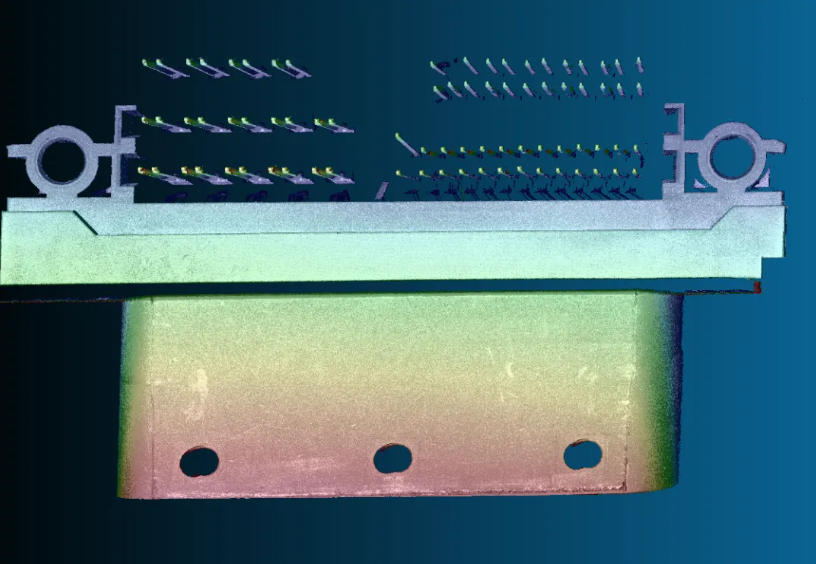
The 3D laser profiler captures surface height, PIN presence, and positional data in a single scan. With its fine resolution and reliable stability, it detects height deviations, missing pins, or deformation in fast-paced production environments. It supports mass-production connector lines where consistency is critical.
5. Automotive Die-Casting Component Inspection
Application Scenario
Automotive die-casting components, such as housings and structural parts, must meet strict dimensional and appearance criteria. Variations in thickness, surface defects, or incorrect lettering can all affect assembly precision and safety. A systematic inspection process is required to filter out parts that do not meet design specifications.
Solution
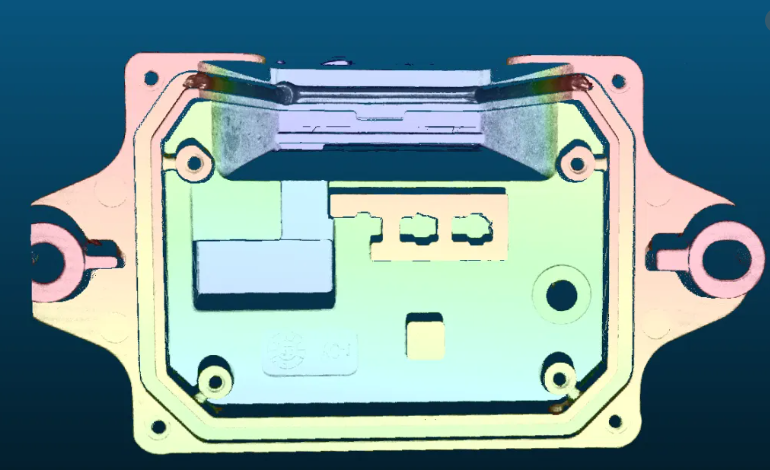
The SinceVision SR7240 3D laser profiler enables multiple inspection steps, including glue line quality assessment, character recognition (OCR), and 3D dimensional profiling.
Key specifications:
l0.03 mm project accuracy
l10 kHz sampling frequency
lDual-station control system for improved efficiency and reduced cost
The system captures detailed surface geometry, allowing manufacturers to verify dimensional conformity while identifying appearance issues such as cracks, incomplete filling, or burrs. The dual-station design supports higher throughput and reduces operator workload.
6. Automotive Component Height Detection
Application Scenario
During vehicle assembly, the production line must handle thousands of parts of varying size and geometry. Robots require accurate height data for gripping, placement, and alignment. Inconsistent height information can lead to misalignment, positioning errors, or cycle-time delays. Reliable height detection strengthens process stability and improves overall assembly efficiency.
Solution
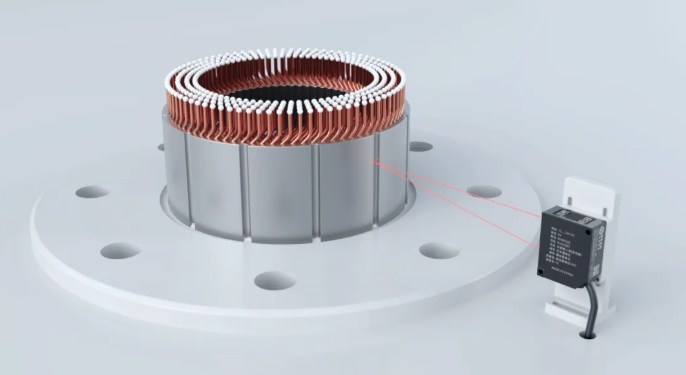
The SinceVision SD33-195 displacement sensor provides accurate height measurement and position detection for components used in assembly. Its key features include:
l95–295 mm measurement range
l±0.1% F.S. linearity
l3 kHz sampling frequency
lStrong distance compatibility
lMultiple communication modes for integration with automation systems
With stable signal output and wide range capability, the sensor supports robotic arms, handling stations, and automated sorting processes.
7. Water Cooling Plate Wave Spacing and Diameter Inspection
Application Scenario
Automotive water cooling plates include internal wave structures that help dissipate heat from the power battery. The spacing and diameter of these waves directly influence cooling performance and structural integrity. Inspecting these features ensures the plate can maintain stability under high-temperature operating conditions.
Solution
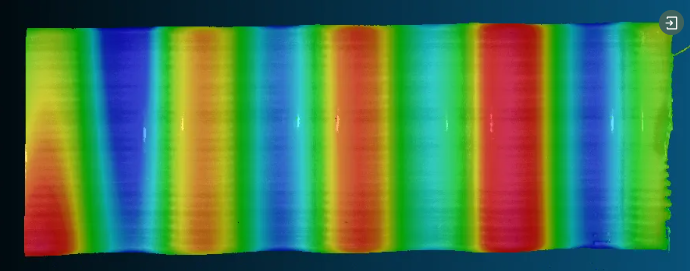
The SinceVision SR7140 3D laser profiler performs fine-resolution scanning to evaluate wave spacing and diameter.
Key specifications:
l0.01 mm project accuracy
l10 kHz sampling frequency
lHigh-speed response and stable performance
The system captures detailed 3D data of the plate’s surface, enabling precise evaluation of the geometric structure. This enhances process control for battery cooling systems and supports consistent thermal management.
Final Thoughts
Machine vision continues to play an important role in automotive manufacturing as the industry moves toward higher levels of automation and quality assurance. SinceVision’s vision sensors, including confocal displacement sensors and high-speed 3D profilers, help inspect important automotive parts. These parts include cooling plates, connectors, die-cast components, and structural assemblies.
These sensors help manufacturers improve product reliability. They offer accurate measurement, non-contact operation, and strong compatibility with automated equipment. This keeps production workflows efficient. As machine vision technology grows in use, SinceVision will keep making practical, high-precision sensors. These sensors will help ensure safe, stable, and efficient automotive manufacturing.
Contact us for sales inquiry/demo/sample here: Automate Your Production Now
Comprehensive Guide: 16 Key Inspection Scenarios from Parts to Complete Vehicles

Featured Sensors
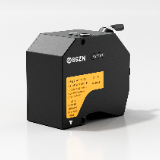
SCI01045
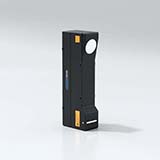
SRI71600
You can also read
Upcoming SRI6000 Series 3D Laser Profiler: How Embedded Vision is Transforming 3D Inspection
Sep 15, 2026
Analyzing Brittle Fracture in Tomato Roots: A SinceVision High-Speed Camera & DIC Experiment for Agricultural Robotics
Sep 01, 2026
3D Laser Profiler for Lithium-Ion Battery Top Cover Bonding Height Measurement
Aug 14, 2026
Observation of Embryonic Fibroblasts with sCMOS Camera for Multichannel Imaging
Jun 23, 2026
Automating Automotive Body Gap Detection with the SinceVision SR8060H 3D Laser Profiler
Jun 05, 2026



 Compare
 Clear the comparison bar
