










High-Speed Observation of Underwater Discharge Cavitation
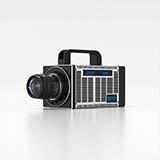
To analyze the extreme transient forces of underwater electrical discharge, researchers utilize the SinceVision SH6-113 high-speed camera to capture the ultra-fast formation, expansion, and collapse of cavitation bubbles. By recording these rapid fluid dynamic behaviors at extreme frame rates, this imaging system provides the quantitative visual evidence required to verify theoretical models and optimize the structural integrity of underwater engineering equipment.
 Product Inquiry
Related tags
The cavitation phenomenon generated by underwater discharge occurs when high-voltage electricity in water forces the rapid formation and violent collapse of localized bubbles. Understanding this physical process is critical for advanced fluid mechanics and marine engineering.
The Metrology Challenge of Cavitation
The velocity at which underwater discharge cavitation occurs is incredibly fast, vastly exceeding the capture capabilities of the human eye and conventional industrial cameras. Because the critical phases of bubble generation, expansion, and collapse happen in fractions of a millisecond, engineers face a significant optical bottleneck when attempting to analyze the exact physical mechanisms driving the phenomenon. Without sufficient temporal resolution, the transient forces that cause structural damage to surrounding materials remain invisible.

▲Cavitation Phenomenon Generated by Underwater Discharge
High-Speed Imaging with the SH6-113
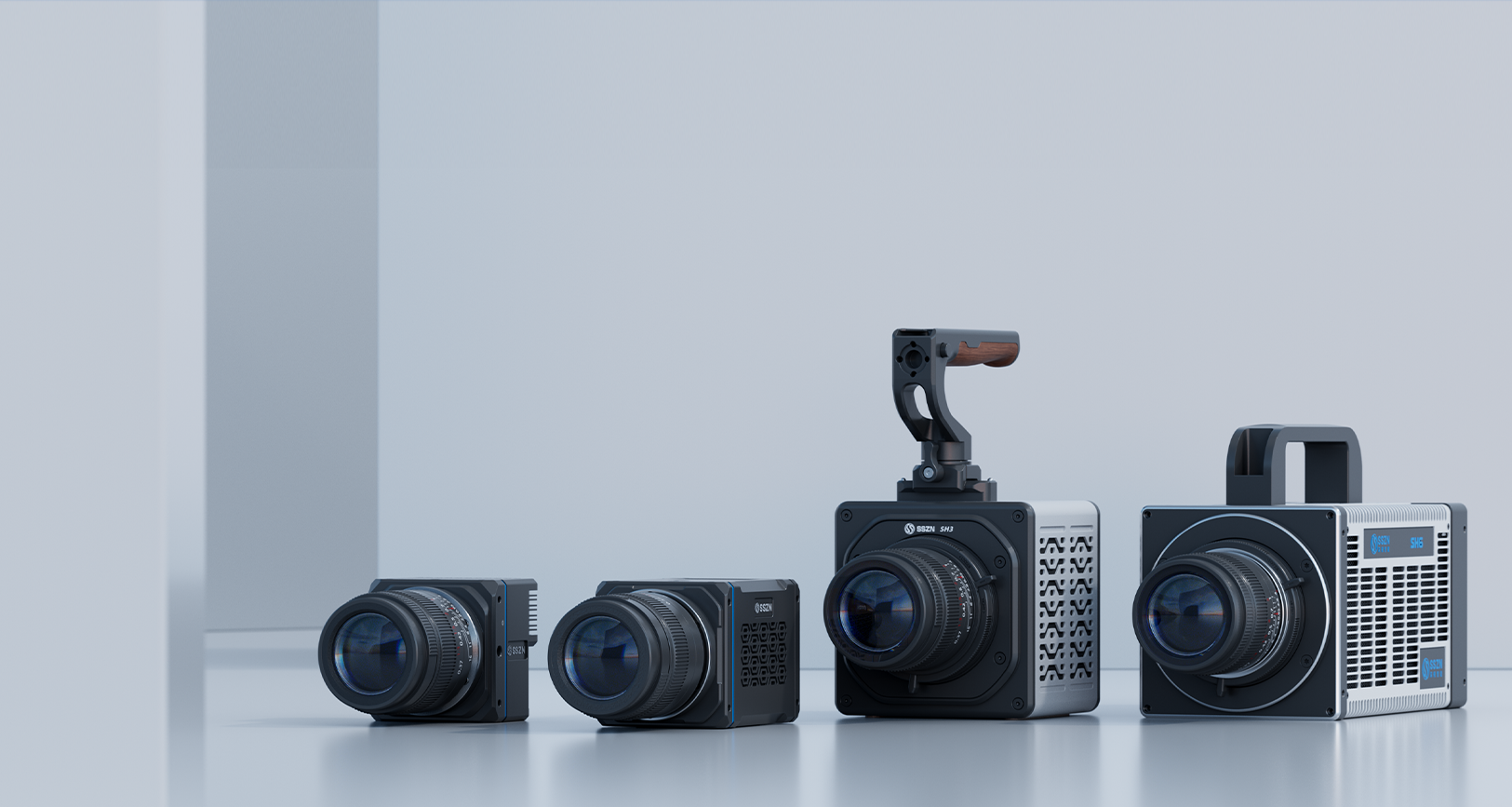
To resolve this optical limitation, researchers deploy the SinceVision SH6-113 high-speed camera, a premier model within the ultra-high-speed series.
Operating at extreme frame rates, this advanced imaging system easily captures the rapid phase transitions of the cavitation phenomenon. It continuously records the precise stages of the event, allowing scientists to investigate the entire lifecycle of the cavitation bubble from initial electrical discharge to terminal collapse without missing critical transient data.
Engineering Applications and Fluid Dynamics Analysis
By analyzing the high-frame-rate image sequences captured by the camera, researchers gain a profound understanding of fluid dynamic behavior under severe electrical stress. The optical data precisely isolates the physical mechanics of bubble growth, movement, and implosion.
Observing these transient cavitation phenomena is essential for optimizing the design of underwater equipment and complex engineering systems. By accurately predicting and controlling cavitation effects based on empirical visual data, engineers can prevent severe structural damage to machinery and marine infrastructure.
Ultimately, high-speed video provides the direct visual evidence required to verify theoretical models and fluid simulation results, accelerating research and development in marine engineering, fluid dynamics, and high-voltage physics.






 Compare
 Clear the comparison bar

