










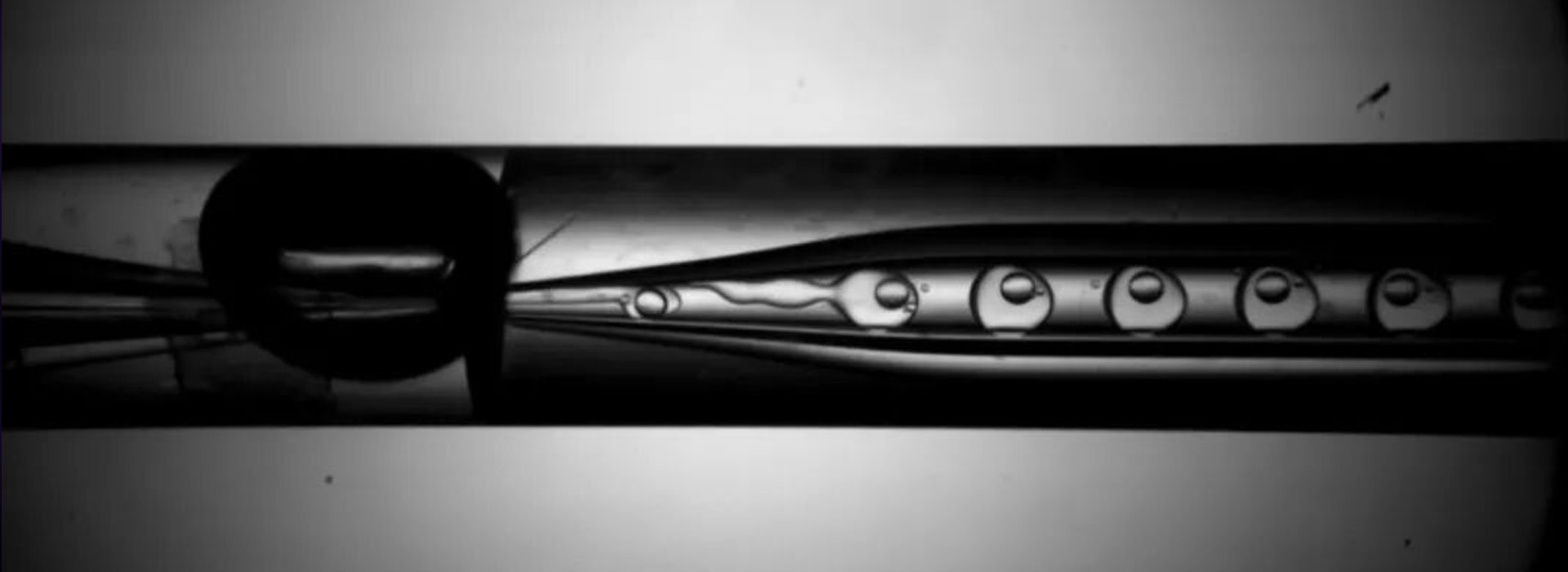
High-Speed Observation of Fluid Flow in Microfluidic Chips
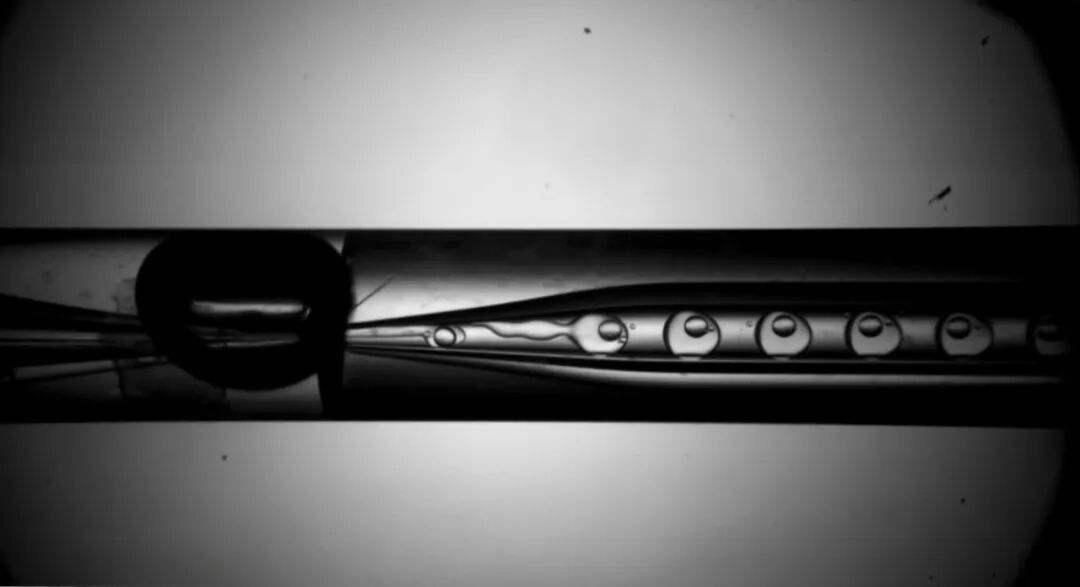
To overcome the limitations of traditional imaging in microchannel analysis, researchers utilize SinceVision high-speed cameras to observe transient fluid behaviors like droplet splitting and merging. By combining 8000 fps capture rates, 1280 × 1024 resolution, and optical microscopy integration, this system provides the micron-level spatial resolution required to analyze interfacial tension and flow velocity in advanced biomedical and chemical microfluidics.
 Product Inquiry
Related tags
Microfluidic technology serves as the foundation for modern biomedical diagnostics, chemical synthesis, and advanced materials science. However, accurately analyzing fluid dynamics within highly confined microchannels requires specialized optical metrology capable of freezing high-velocity microscopic motion.
The Optical Challenges of Microfluidic Metrology
In microfluidic experiments, capturing rapid and subtle fluid behaviors is a significant engineering challenge. Critical dynamic events such as droplet deformation, splitting, and merging occur in fractions of a millisecond within these tiny microchannels.
Traditional imaging tools suffer from slow frame rates and insufficient resolution, causing motion blur that obscures transient fluid boundaries. This optical limitation makes it incredibly difficult to observe quick, microscopic events. Without clear visualization, researchers cannot accurately calculate key fluidic parameters like interfacial tension, localized flow velocity, and the impact of specific microchannel structural designs.
High-Speed Imaging for Microchannels
To eliminate these visualization bottlenecks, laboratories utilize the SinceVision high-speed camera to conduct precise droplet microfluidics observation. This advanced optical system delivers the exact temporal and spatial resolution required to analyze complex fluid mechanics at the micro-scale.
By integrating this technology into fluidic testing environments, researchers gain three critical technical advantages:
Ultra-Fast Imaging at 8000 FPS:The high frame rate freezes rapid fluid dynamics, enabling the real-time visualization of fast-moving droplets and highly transient fluid boundaries with unmatched optical clarity.
High Resolution (1280 × 1024): This dense pixel resolution clearly records minute fluid behaviors and small-scale structural changes within the microchannels, providing pristine raw data for quantitative fluid analysis.
Micron-Level Spatial Resolution: Engineered to integrate seamlessly with standard microscopy equipment, the system provides true micron-level microfluidic chip imaging. This capability is essential for revealing the underlying physical mechanisms driving fluid behavior in microscopic spaces.
By upgrading to high-speed optical observation, engineering and scientific teams can accurately validate channel designs, optimize flow velocities, and accelerate critical research across biomedicine, chemistry, and materials science.







 Compare
 Clear the comparison bar

