










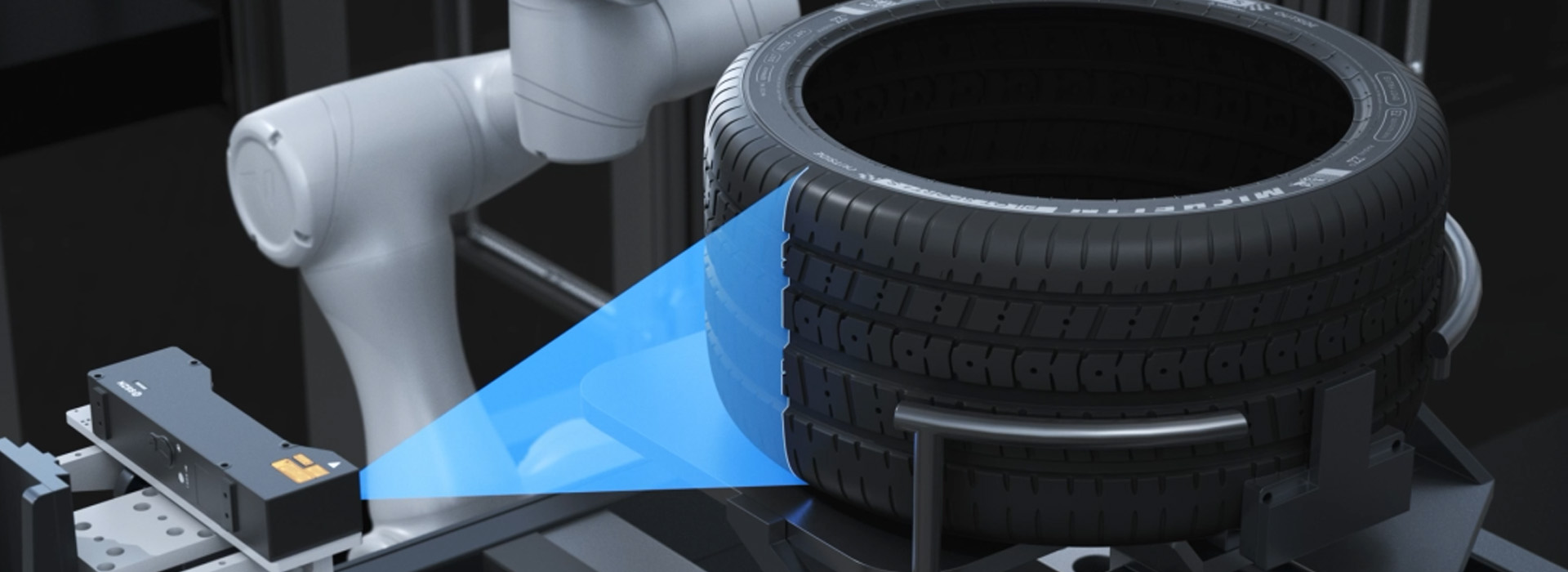
Tire Studding Visual Guidance for Stud Insertion
High-precision automated stud insertion for 13 to 21 inch automotive tires. SinceVision SR5000 Series 3D laser profiler for measurement and real-time visual guidance.
 Product Inquiry
Related tags
I. Project Background
In automotive tire manufacturing, stud insertion is a vital step for maintaining structural integrity and performance. Traditional manual methods often result in low efficiency and inconsistent precision. To address these challenges, manufacturers are adopting automated solutions.
The SinceVision 3D laser profile measurement instrument provides high precision and high-speed intelligent recognition. As a reliable Laser Profiler for Measurement, it enables automated visual guidance for the stud insertion process. This technology ensures consistency and supports the transition toward efficient, intelligent tire production.
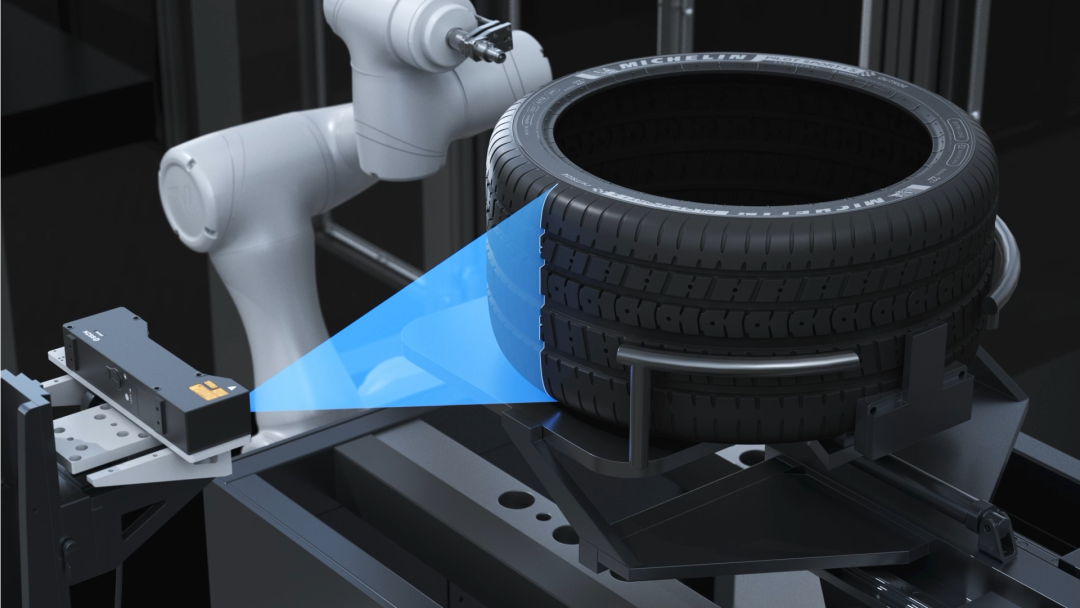
Image | Tire Studding Machine
II. Inspection Requirements
Workpiece: 13 to 21 inch automotive tires
Stud Height: 10 to 13 mm
Minimum Stud Diameter: 2.1 mm
Number of Studs: 80 to 200 per tire
Tread Width: 109 to 276 mm
Section Width: 157 to 320 mm
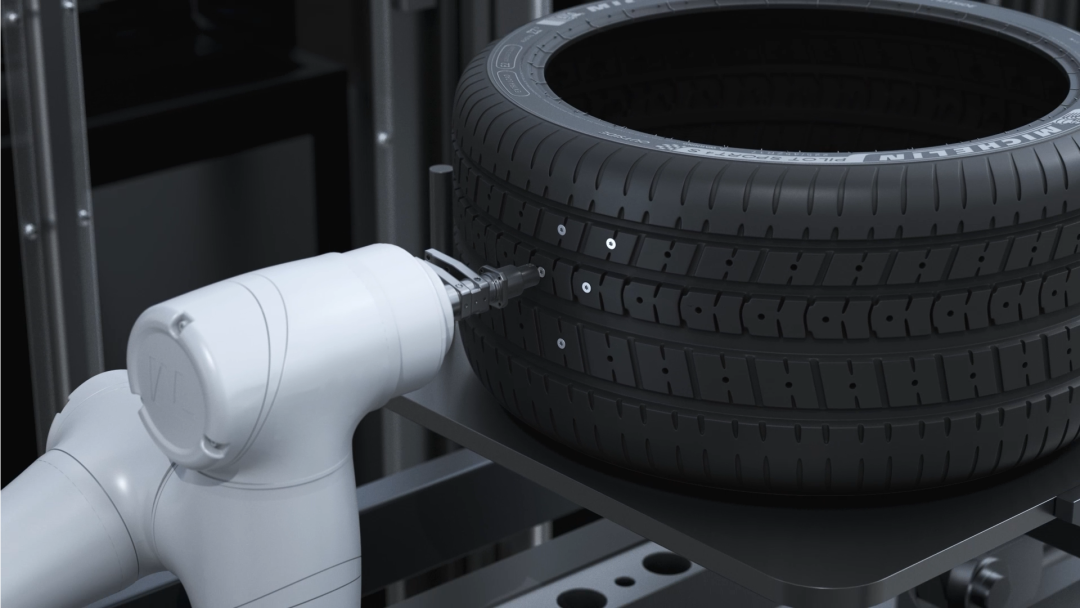
III. Visual Guidance and Positioning Solution for Studding Machine
Industrial automation requires precise positioning to improve production quality. This solution utilizes the wide field of view and high depth of field of the SinceVision SR5280. The 3d laser profiler for Tire Studding scans the tire surface with high accuracy to capture 3D shape data, which is then sent to an image processing system.
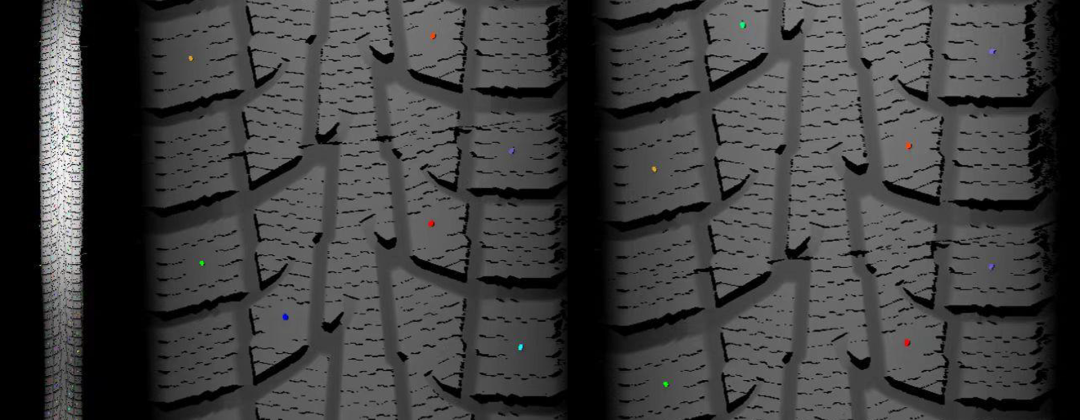
The system uses preset algorithms to calculate the exact coordinates and orientation for each stud. It considers the tread pattern and mechanical structure to optimize placement for maximum performance.

The automated equipment follows these paths to insert studs precisely. After insertion, the instrument scans the tire again to verify key quality metrics:
Accuracy of stud position
Insertion depth
Angle of insertion
Final fit and finish
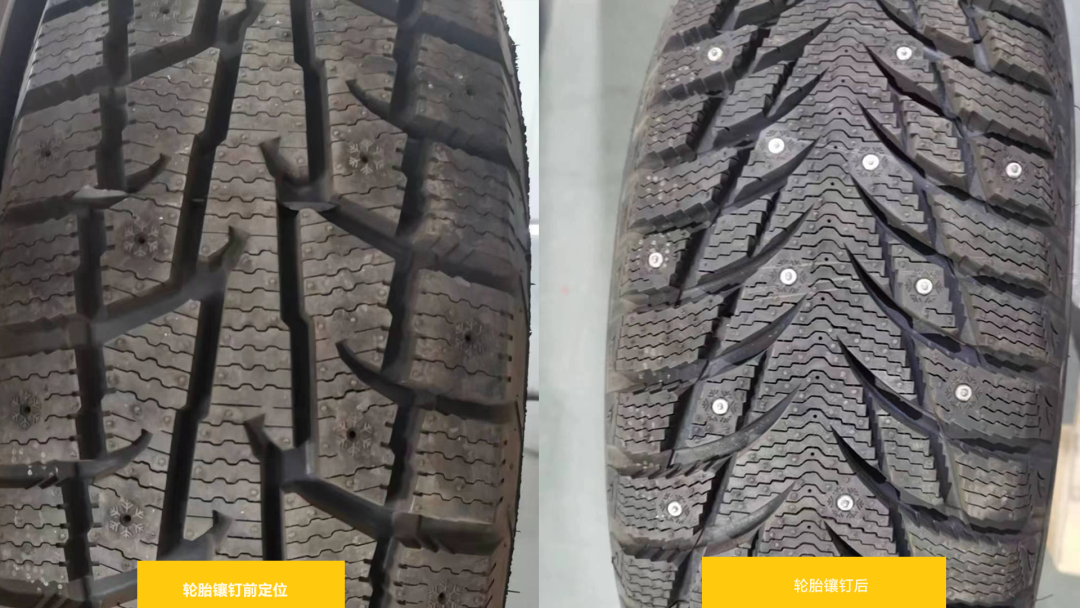
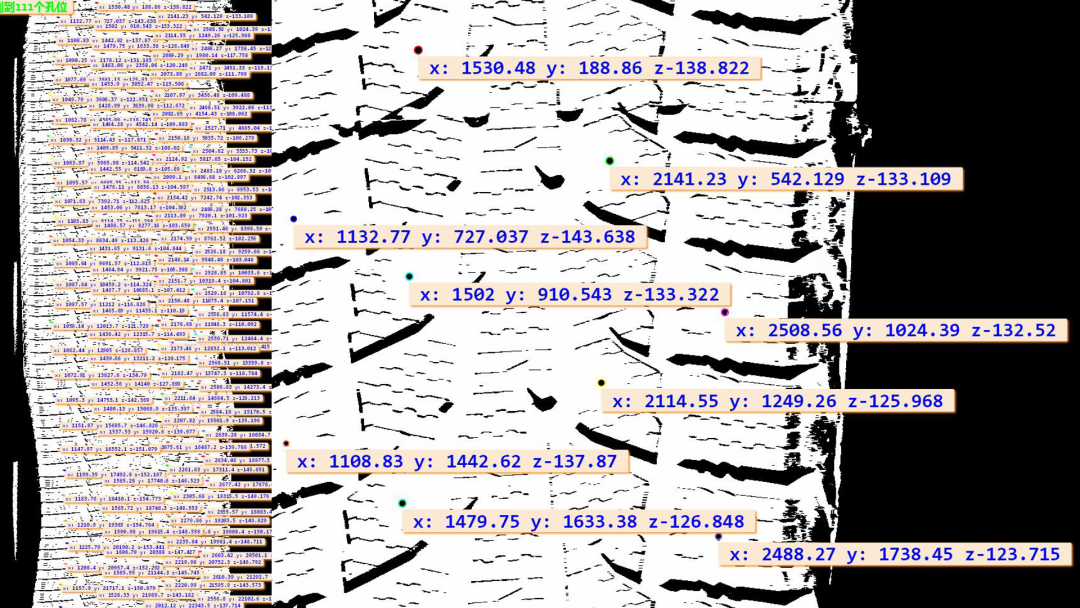
If the system detects a quality issue, it triggers an alarm for corrective action. All generated data is stored to ensure reliable quality traceability and future process analysis.








 Compare
 Clear the comparison bar
