

Laser-Induced Fluorescence Imaging for Aerospace Materials with Solis B0465 sCMOS Camera

Laser-Induced Fluorescence Imaging for Aerospace Materials with Solis B0465 sCMOS Camera

Laser-Induced Fluorescence Imaging for Aerospace Materials with Solis B0465 sCMOS Camera

Industry pain points and demands

In laser-induced fluorescence (LIF) experiments on aerospace engine fluorescent materials such as high-temperature coatings and stress-sensing materials—980nm near-infrared excitation generates fluorescence signals in three bands: 540nm (green), 560nm (yellow-green), and 680nm (red).


However, practical detection faces several challenges:

Extremely weak signals prone to interference: Metallic or ceramic substrates reflect and scatter the excitation light. Background noise, including residual engine lubricants, reduces the signal-to-noise ratio (SNR), especially in the red 680nm band. Conventional cameras struggle to distinguish true fluorescence from noise.


Long exposure causes photobleaching and thermal noise: Capturing weak signals may require exposures of hundreds of milliseconds or more. Under high-intensity laser illumination (1–5 W/cm²), fluorescence signals decay quickly (e.g., 540nm signal drops 30% within 10 minutes), and thermal noise from substrates accumulates, affecting measurement stability.
Contact Now

SinceVision Solution: Solis B0465 sCMOS Camera

01Ultra-high quantum efficiency for weak-light capture: The camera achieves QE >90% across 540nm, 560nm, and 680nm emission bands. Even if fluorescence intensity drops to 1/10 of normal levels due to high-temperature aging, clear imaging remains possible.
02High resolution and large pixel size: A 2048×2048 resolution with 6.5μm pixels ensures compatibility with most microscopes and optics, enabling multi-scale imaging from macroscopic distributions to microscopic details.
03Short exposure reduces photobleaching and improves reproducibility: High-quality images can be captured with 10–20ms exposure, preventing signal decay and thermal interference caused by long exposures. This is especially useful for high-intensity laser testing of aerospace materials.

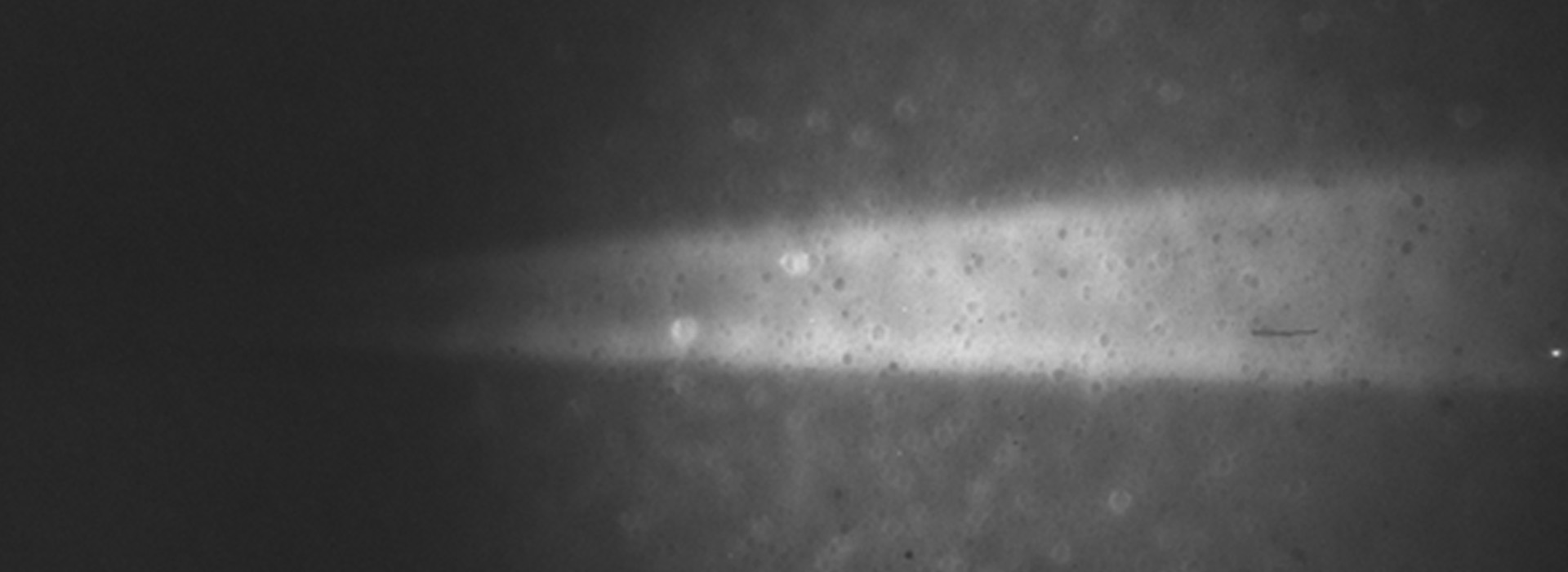
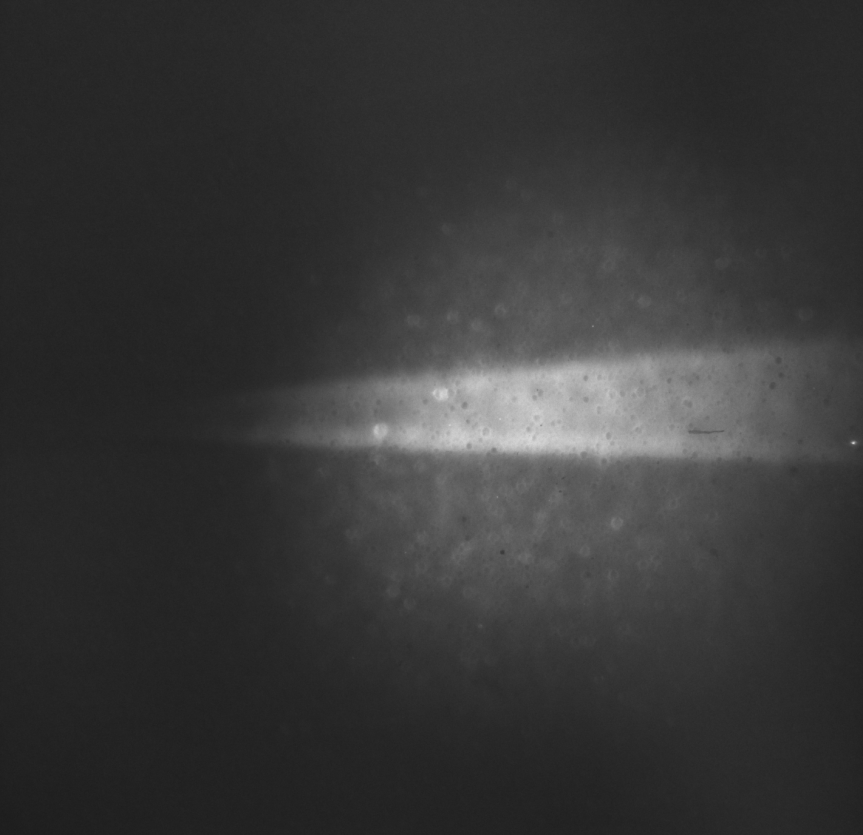
Results from sCMOS Camera

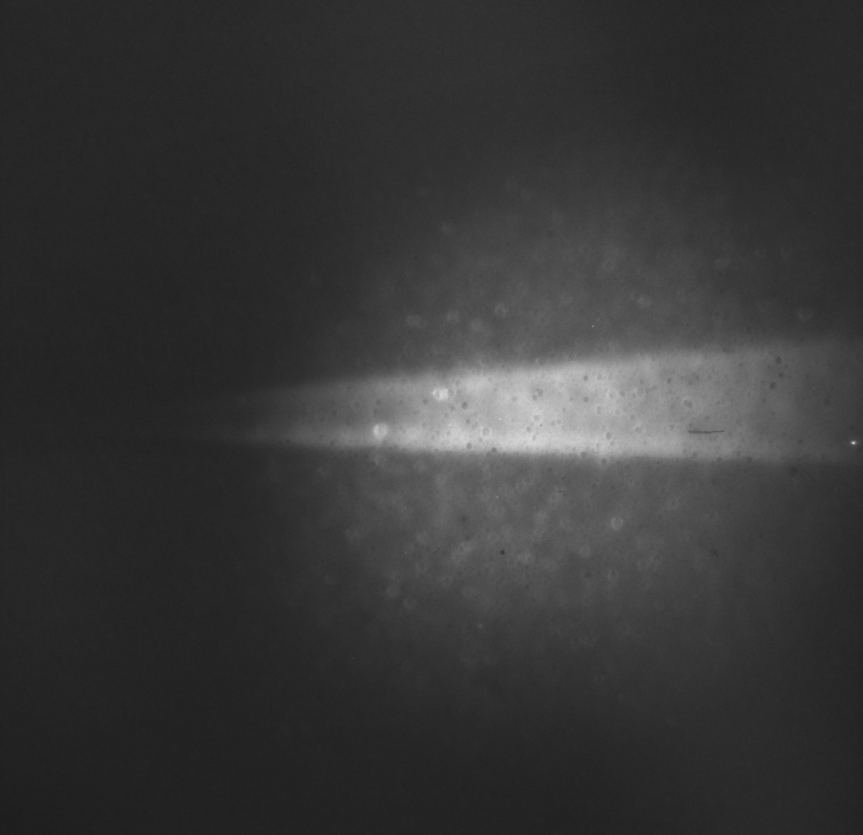
Laser-induced fluorescence
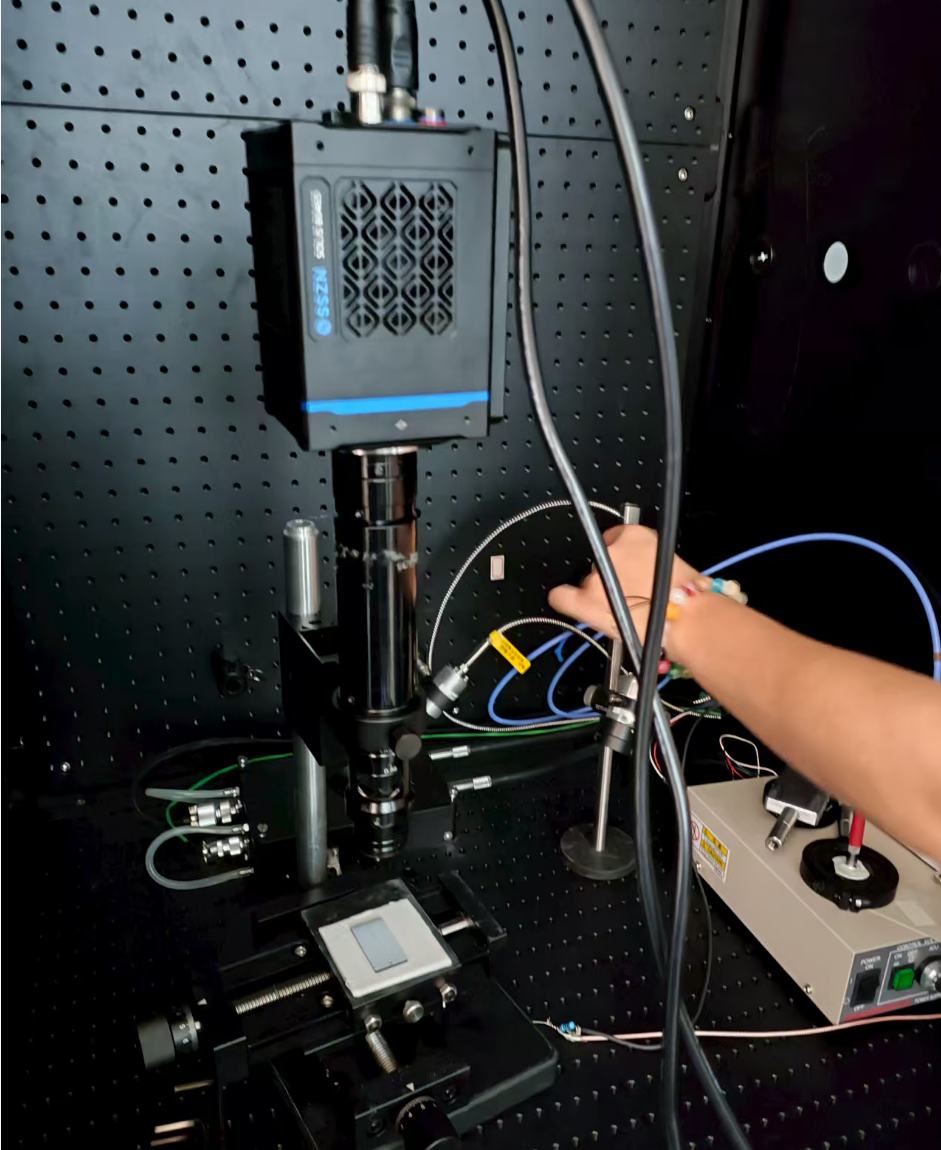
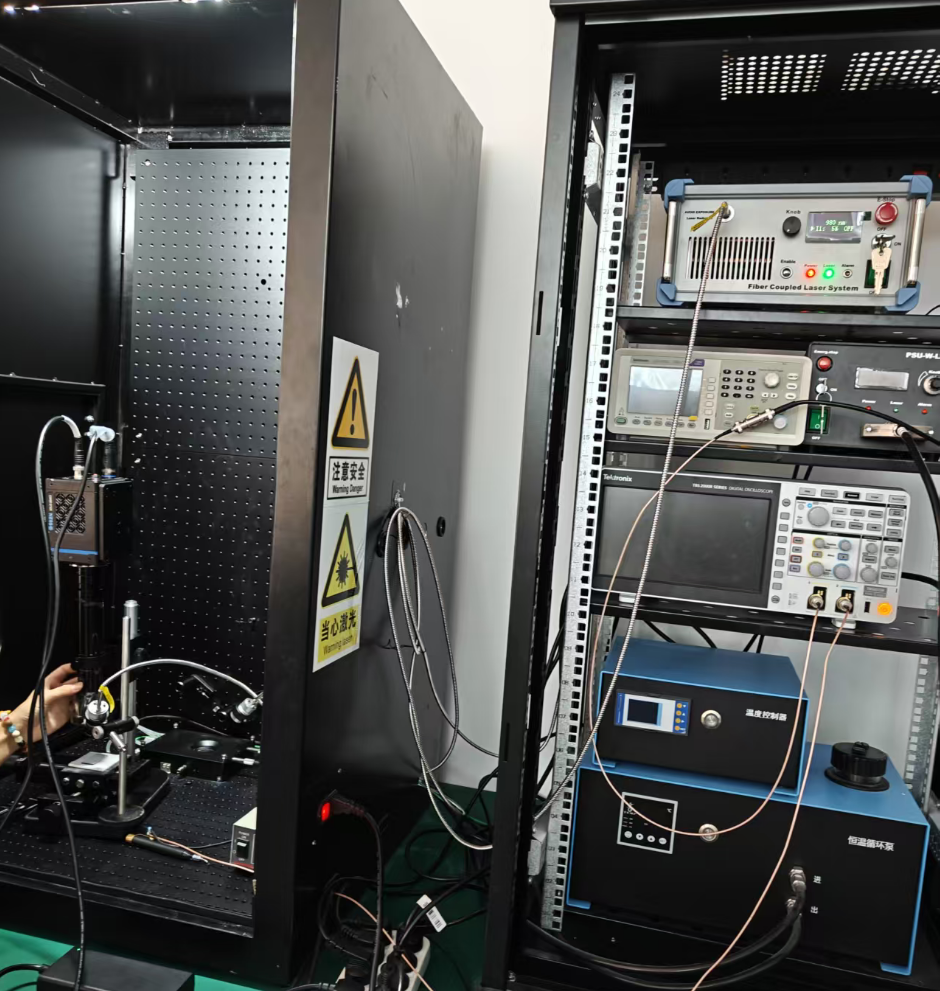
Experimental site setup

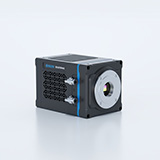
Camera Selection

Model  Solis B0465    
Max. Resolution 2048x2048 
Full Frame Rate    

100fps@10 Gige, 40fsp@USB

Quantum Efficiency

95%@560nm

Cell Siz

6.5μm

Diagonal size

18.8mm

Readout Noise

1.1e- (median)
Full Well Capacity

45Ke- 

DSNU

0.2e-
Shutter type

Reset Shutter (Roller/Global)

Bit Depth

11bit/12bit/16bit

Optical interface

C por

Power Supply/Typical Power

DC24V/90W

Dimensions (excluding protrusion parts)/Weight

2kg