










Photoluminescence Imaging with Solis B0465 sCMOS Camera
Learn how the Solis B0465 sCMOS camera captures weak PSP photoluminescence signals for accurate pressure-field imaging.
 Product Inquiry
Related tags
Industry pain points and demands
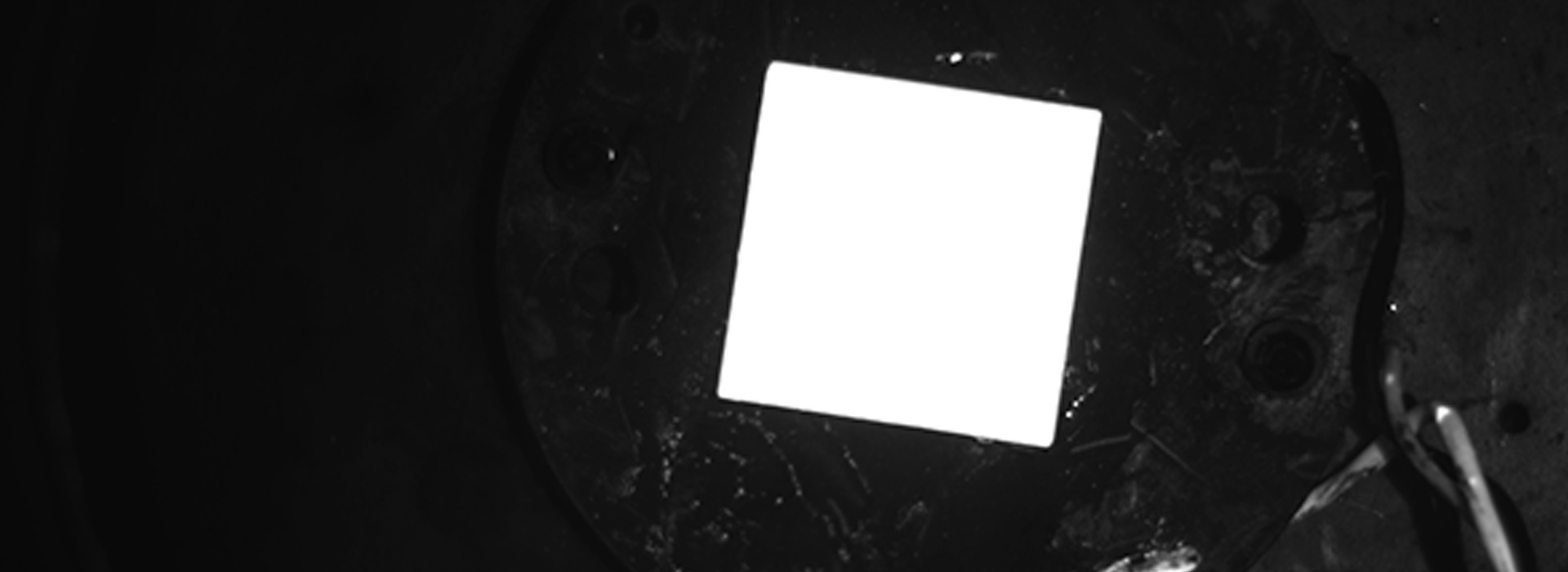
In pressure-sensitive paint (PSP) photoluminescence tests, the main difficulty is capturing the very weak signals created by oxygen quenching. Researchers also need accurate data to measure fast pressure changes.
The coating’s light intensity changes in a nonlinear way with oxygen partial pressure (oxygen increases → light intensity decreases). When oxygen levels are low, the weak signal is easily covered by noise, making pressure mapping hard to measure.
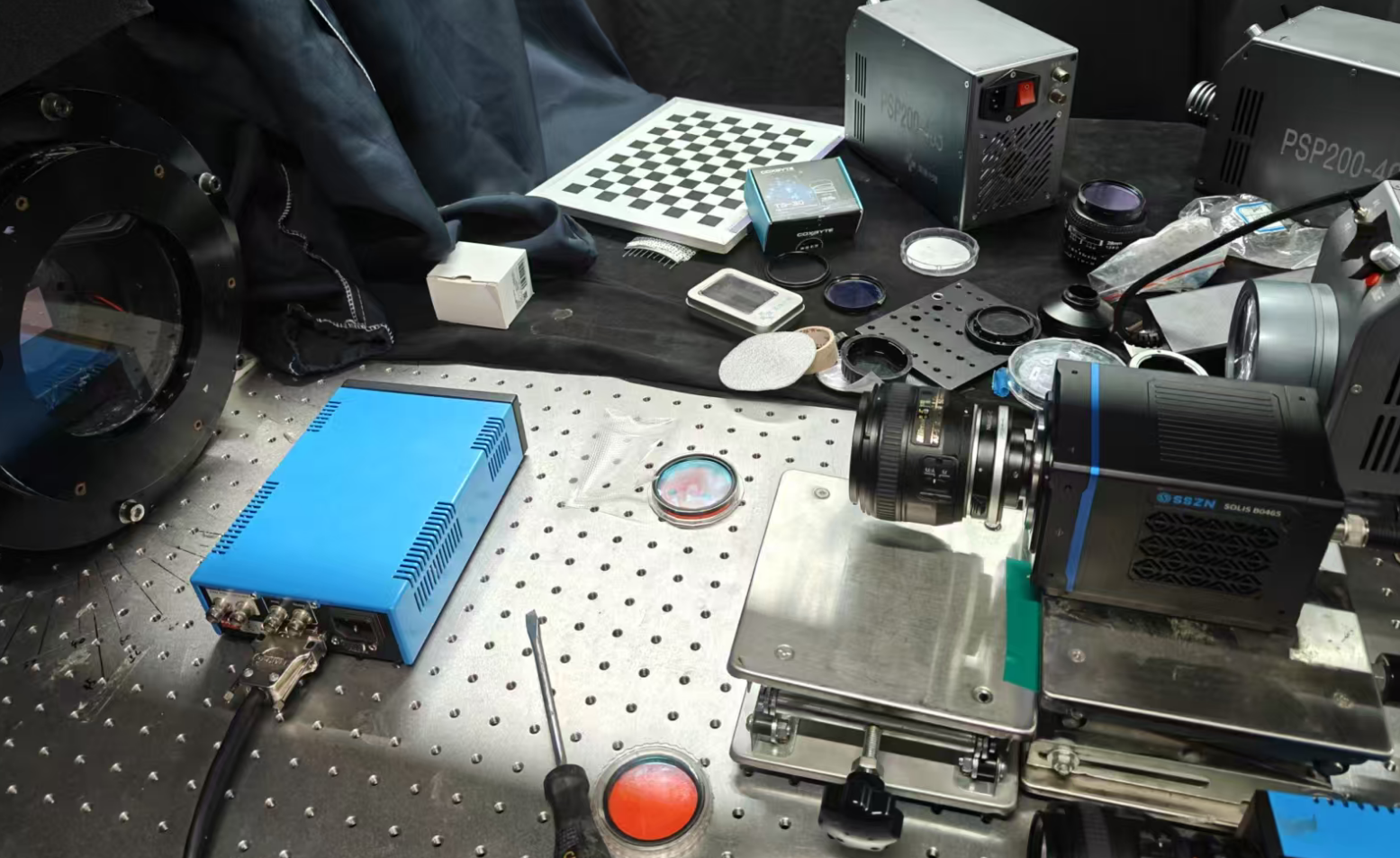
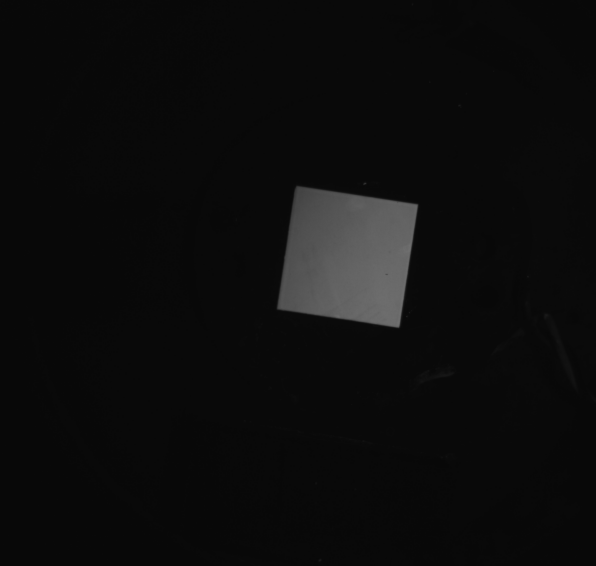
20ms(HDR 16bit )
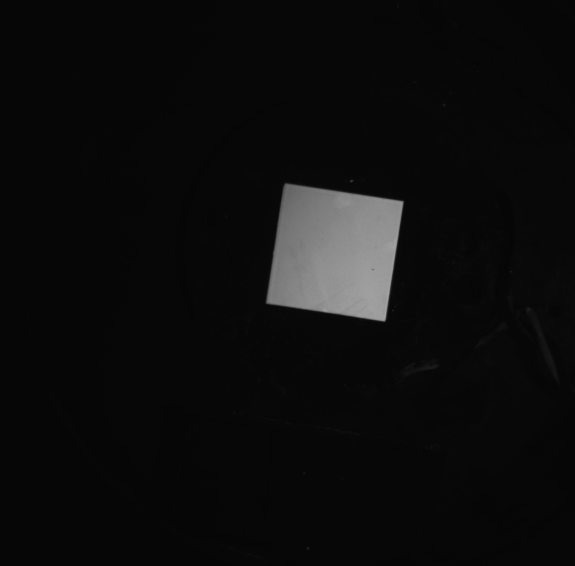
30ms(HDR 16bit )
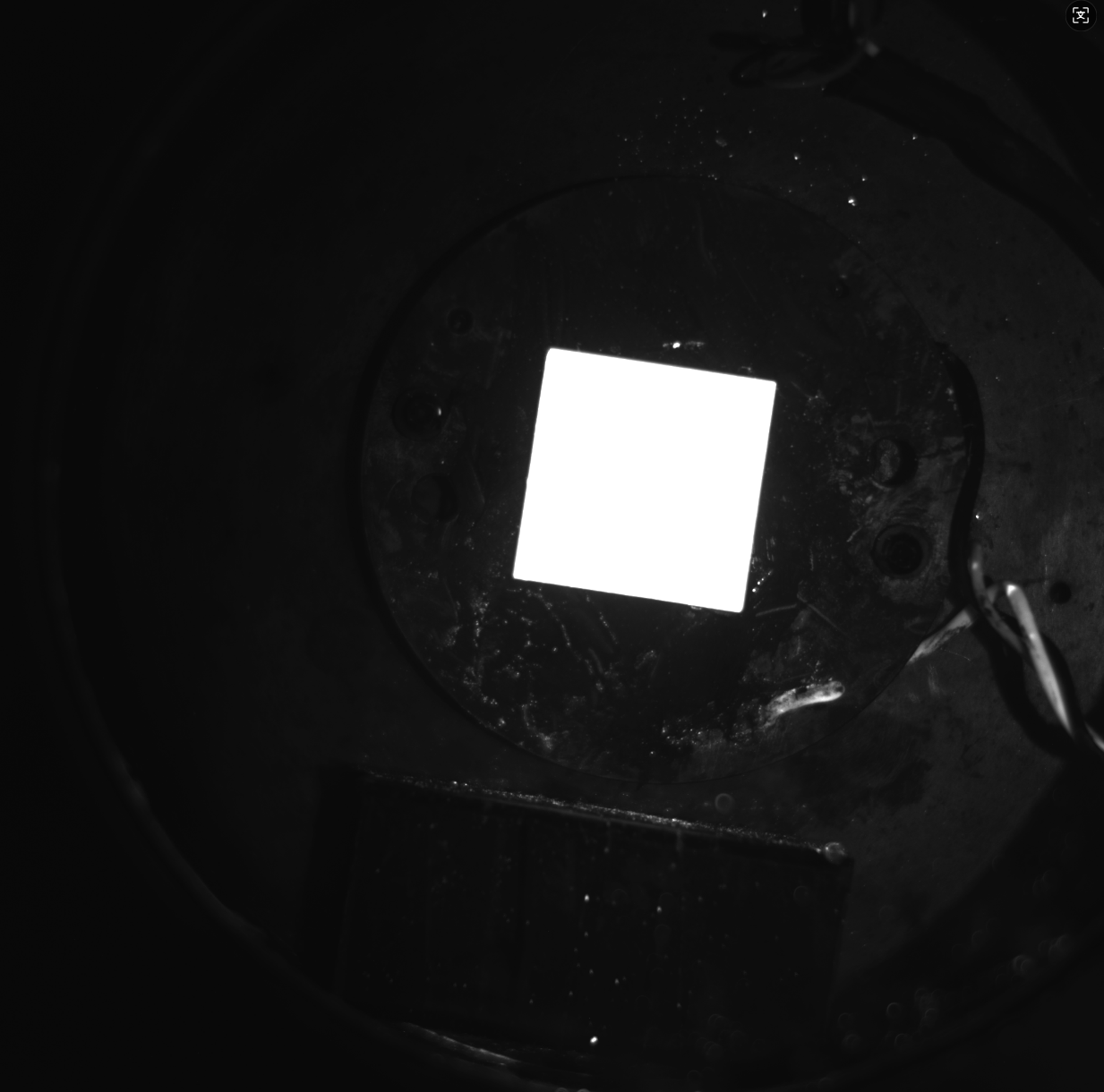
50ms(HDR 16bit )
SinceVision's intelligent sCMOS camera provides a reliable imaging tool for PSP oxygen quenching analysis with its excellent signal-to-noise ratio, sensitivity, and thermal stability. It helps research and engineering teams obtain more accurate pressure data, revealing the dynamic details of complex flow fields.






 Compare
 Clear the comparison bar
